


T: +86-19511798062
E: sales@honestflex.com
E: sales@honestflex.com
Licang District, Qingdao, Shandong, China
Views: 0 Author: Site Editor Publish Time: 2025-12-16 Origin: Site


Choosing the right industrial hose is essential for safe and efficient operations. With various materials and applications, selecting the proper hose is crucial. In this article, we will explore how to choose the right industrial hose for your needs. You will learn about key factors like size, pressure, and material compatibility to ensure optimal performance.
Industrial and hydraulic hoses are both essential for fluid transmission, but they serve distinct functions. The table below compares key characteristics, including pressure handling, material composition, and applications, helping you choose the right hose type for your specific needs.
| Comparison Aspect | Industrial Hoses | Hydraulic Hoses |
|---|---|---|
| Primary Purpose | Designed to transport materials like air, water, chemicals, and food products. | Designed to handle fluid transmission in hydraulic systems, often under high pressure. |
| Pressure Handling | Typically designed for lower pressure applications. Pressure rating varies depending on material. | Built to withstand high-pressure conditions, often exceeding 10,000 psi. |
| Applications | Used in various industries such as construction, agriculture, food processing, and water treatment. | Commonly used in heavy-duty machinery, construction equipment, and manufacturing plants. |
| Materials | Made from materials like PVC, rubber, and thermoplastics. | Usually constructed with layers of rubber or thermoplastic, reinforced with steel or textile braids. |
| Temperature Resistance | Suitable for a wide range of temperatures but generally less resilient in extreme conditions. | Designed to handle extreme temperatures, both high and low, while maintaining structural integrity. |
| Flexibility | Offers flexibility for ease of handling and routing, depending on material (e.g., PVC is highly flexible). | Generally flexible but with limitations depending on the pressure rating; less flexible at extreme temperatures. |
| Durability | Durable but may wear out faster in abrasive, high-pressure, or chemically intense environments. | Highly durable and resistant to abrasion, corrosion, and extreme conditions due to reinforcement. |
| Chemical Compatibility | Varies by material; PVC may degrade with oils, while rubber and thermoplastics are more versatile. | Specifically designed to handle hydraulic fluids and oils, with materials that offer high chemical compatibility. |
| Cost | Generally more affordable, especially for lightweight, less demanding applications. | More expensive due to the complexity of construction and the need to withstand high pressure and harsh conditions. |
| Safety Features | Usually includes safety valves or burst protection depending on the application. | Often includes reinforced layers and safety margins, such as a higher burst pressure, to prevent catastrophic failure. |
| Maintenance Requirements | Requires less frequent maintenance, mainly cleaning and visual checks for wear. | Requires more frequent maintenance due to the high pressure and stress on the material, including checking for cracks, leaks, and pressure loss. |
There are several types of industrial hoses, each designed for specific applications and environments. Below is a comparison of the most common types of industrial hoses, highlighting their key features and ideal use cases.
| Hose Type | Key Features | Ideal Applications |
|---|---|---|
| PVC Hoses | Cost-effective, lightweight, and flexible | Suitable for less complex applications, such as water and air transport in industrial settings. |
| Rubber Hoses | Durable and resilient for high-pressure use | Best for high-pressure applications, particularly in industries like manufacturing and construction. |
| Metal Hoses | Resistant to extreme temperatures and high pressure | Ideal for transferring steam, hot air, and chemicals in high-temperature and high-pressure environments. |
This table summarizes the essential characteristics of each hose type, helping you make an informed decision based on your application needs.
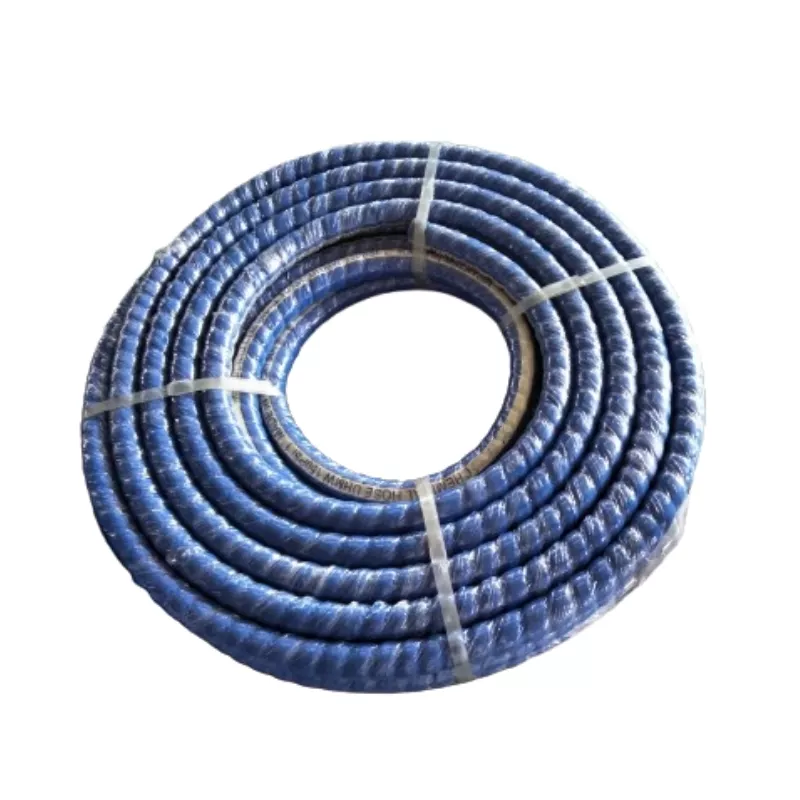
Selecting the right size and length for your hose is essential for maintaining optimal performance. Incorrect sizing, whether too long or too short, can lead to pressure drops and inefficiency. The inner diameter (ID) and outer diameter (OD) determine the flow capacity and flexibility, while the hose length affects maneuverability and the potential for pressure loss.
Industrial hoses must be able to withstand both the fluid and ambient temperatures they are exposed to. Extreme temperatures can cause hoses to degrade, leading to leaks or burst failures. Make sure to choose a hose designed for the specific thermal conditions of your operation.
The pressure rating of a hose determines its capacity to handle the pressure of the materials being transported. It's important to select a hose with a pressure rating that exceeds the maximum pressure your system will generate, keeping safety and functionality at the forefront.
Material selection plays a key role in determining the longevity and efficiency of a hose. Common materials include PVC, rubber, and thermoplastics, each with specific use cases. For example, PVC hoses are ideal for lightweight applications such as water and air transport, while rubber hoses are better suited for high-pressure and high-temperature environments, such as those found in hydraulic systems and steam transfer. In fact, rubber hoses can withstand pressures up to 10,000 psi, making them suitable for heavy-duty applications in industries like construction and mining.
Ensuring that the hose material is compatible with the chemicals it will transport is critical. If the hose material reacts negatively with the transported substance, it could lead to hose failure, contamination, or safety hazards. For instance, PVC hoses are generally unsuitable for oil-based chemicals, as they can degrade and cause leaks. On the other hand, PTFE (Teflon) hoses are highly resistant to a wide range of chemicals, including acids and solvents, making them ideal for use in pharmaceutical and chemical industries. Always check the chemical compatibility of your chosen material to avoid degradation or leaks.
In addition to material and chemical compatibility, environmental resistance is a key factor in hose selection. Factors such as UV exposure, ozone, and extreme weather conditions can significantly impact hose performance and longevity. For example, hoses used outdoors or in agricultural settings need to be UV and weather resistant to avoid premature wear. A study from Flexaust showed that hoses made from thermoplastic rubber (TPR) exhibited 30% longer service life when exposed to UV radiation compared to standard rubber hoses, making TPR a more reliable option for outdoor use in industries like agriculture and construction. Always consider the environmental factors that your hoses will be exposed to in order to select the most durable material.
The STAMPED method is a helpful guideline used in the hose industry to ensure that you choose the right hose for your specific needs. It stands for seven critical factors that should be considered during hose selection.
| Factor | Description |
|---|---|
| Size | The inner and outer diameter, length, and fitting size of the hose. |
| Temperature | The operating temperature range the hose can handle. |
| Application | Industry-specific requirements and regulations for the application. |
| Medium | The substance (e.g., chemicals, water, oil) that the hose will transport. |
| Pressure | The required pressure rating that the hose must withstand. |
| Ends | The type of hose fittings needed (e.g., camlock, flanges, etc.). |
| Delivery | The availability and lead time for obtaining the hose and fittings. |
This table breaks down the STAMPED method, helping you evaluate all the essential factors when choosing a hose. By considering each aspect carefully, you can ensure optimal performance, safety, and compliance with your operational requirements.
In many industries, such as food processing, chemical manufacturing, and construction, hoses must adhere to both local and federal regulations to ensure safety and efficiency. Compliance with standards like FDA, NSF, or ISO certifications is crucial to prevent operational disruptions, legal issues, and safety hazards. For example, hoses used in food-grade applications must meet FDA standards to avoid contamination, while chemical hoses must be resistant to corrosive materials to prevent damage and leaks, ensuring long-term reliability and performance.
The ends of your industrial hose are just as important as the hose itself. Various types of fittings, such as camlock, flanges, and quick-connects, can be used depending on the application. Selecting the right hose ends ensures proper installation and prevents issues such as leaks and material contamination.
When selecting hose ends, it’s crucial to consider not only the hose's inner diameter (ID) and pressure rating but also the type of connection required for your system. The hose ends must match the hose’s pressure capacity to ensure a secure and leak-free connection. Additionally, the material of the fittings should be compatible with both the medium being transported (such as chemicals, oil, or water) and the operating environment. For instance, stainless steel fittings are often used for their corrosion resistance in harsh environments, while plastic fittings may be more suitable for low-pressure or non-corrosive applications. Choosing the right hose ends and fittings ensures the safety, performance, and longevity of the hose assembly.
Selecting a reliable hose supplier is crucial for ensuring high-quality products and consistent performance. Reputable suppliers offer expert advice on hose selection, help with regulatory compliance, and provide after-sales support such as troubleshooting, repairs, and replacements. Their expertise ensures that you receive hoses tailored to your specific needs, minimizing operational disruptions and enhancing long-term reliability.
An experienced supplier can provide customized hose assemblies designed for your specific application, ensuring optimal performance. Whether you need a hose for unique conditions or require technical support for installation, reputable suppliers can offer tailored solutions and troubleshooting assistance. Their expertise helps you maintain efficient operations and resolve any issues promptly, ensuring reliable system performance.
Selecting the right industrial hose is crucial for ensuring both safety and operational efficiency. It requires careful consideration of factors like size, material, pressure, and compatibility. Using the STAMPED method can guide you to the best choice for your specific needs. Partnering with Qingdao Honest Rubber Co., Ltd. ensures high-quality hoses and personalized support, providing expert solutions to optimize your operations. Their expertise and custom offerings make them a reliable partner for seamless industrial performance.
A: An industrial hose is a flexible, reinforced tube designed to transport a wide range of materials, including air, water, chemicals, and food products, across various industrial applications.
A: To choose the right industrial hose, consider factors like material compatibility, size, pressure rating, temperature range, and the medium being transported. The STAMPED method can guide your selection.
A: Industrial hoses are commonly made from PVC, rubber, thermoplastics, and metal. Each material has specific advantages depending on the application, such as flexibility, durability, and resistance to chemicals.
A: The pressure rating ensures that the industrial hose can safely handle the operating pressure of the fluid it will transport. Using the correct pressure rating prevents hose failure and ensures system safety.
A: Not necessarily. Different applications require hoses made from specific materials designed for the conditions, such as high-pressure or high-temperature environments. Always check compatibility with the medium and pressure requirements.
