


T: +86-19511798062
E: sales@honestflex.com
E: sales@honestflex.com
Licang District, Qingdao, Shandong, China
Views: 0 Author: Site Editor Publish Time: 2025-12-29 Origin: Site


Hydraulic hosesare critical in industrial machinery, transferring hydraulic fluids under pressure. However, they face harsh conditions, such as abrasion and high temperatures, making protection essential for safety and longevity. In this article, we will explore the best practices to protect hydraulic hoses and ensure their optimal performance. You will learn how to extend their lifespan and prevent costly failures.
Hydraulic hoses are highly vulnerable in tough industrial environments. Continuous exposure to abrasive surfaces, UV radiation, and extreme temperatures can cause the outer layer of the hose to degrade over time. When the protective outer layer is compromised, the inner reinforcement of the hose becomes exposed to further damage, potentially leading to leaks, pressure loss, and complete hose failure.
The economic impact of hydraulic hose failure cannot be understated. Downtime due to hose failure can lead to significant production delays, costly repairs, and even environmental contamination if hydraulic fluids leak. On top of financial costs, safety is a major concern, as hose ruptures or leaks can pose serious risks to workers, equipment, and the surrounding environment. Protecting hoses is crucial to avoid these issues and maintain a safe and efficient workplace.
Properly maintained and protected hydraulic hoses contribute significantly to system efficiency. Well-protected hoses ensure fluid flows without interruptions or leaks, reducing the chances of contamination and maintaining consistent pressure throughout the system. This not only improves system performance but also reduces maintenance costs and extends the lifespan of other hydraulic components.
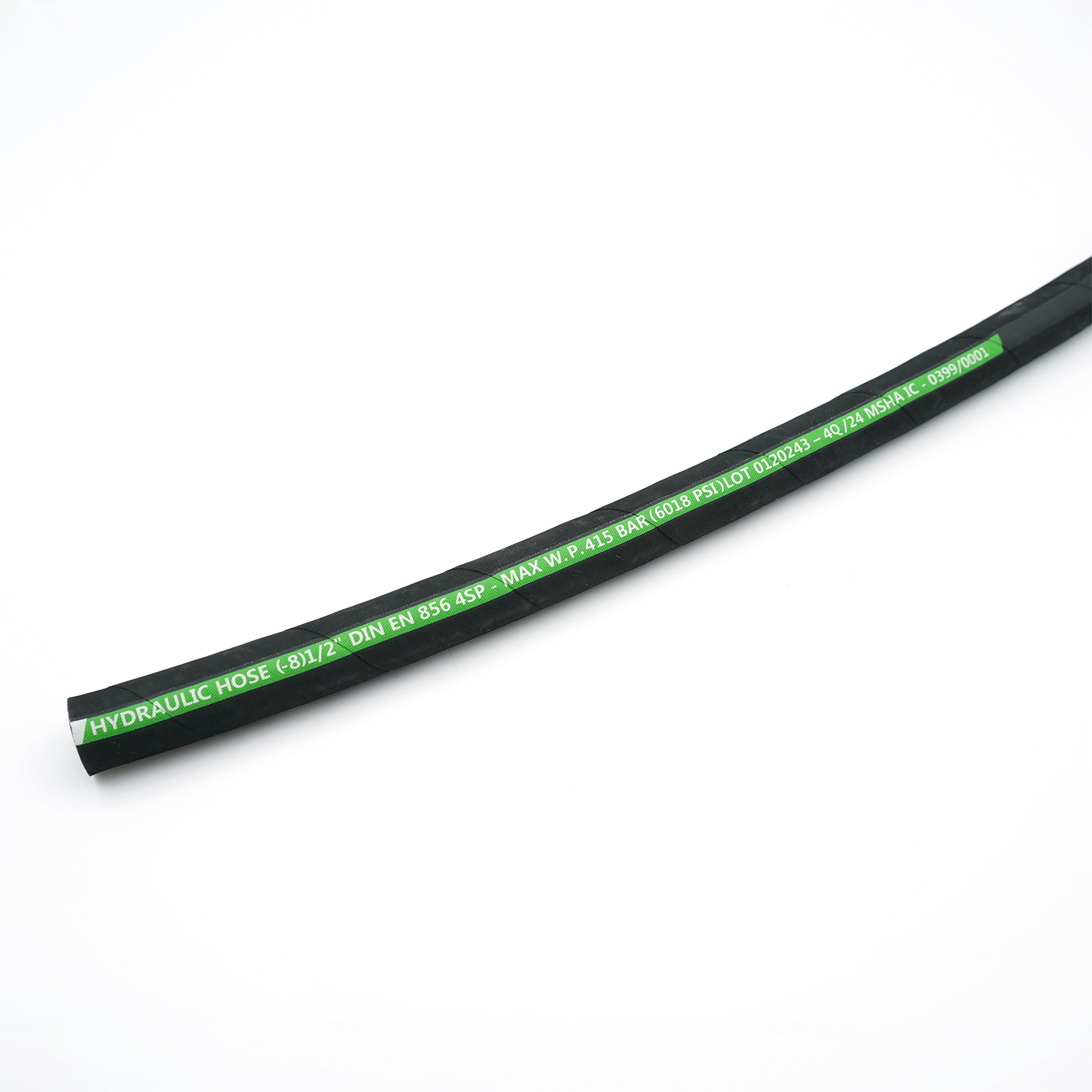
Hydraulic hoses are exposed to harsh environments that can cause significant damage, including abrasion, UV radiation, and exposure to high temperatures. Protective sleeving serves as a critical line of defense against these damaging factors. These sleeves are made from various materials, each offering specific protective benefits for different operational environments. Here’s a breakdown of the most common types of protective sleeves used for hydraulic hoses:
| Type of Protective Sleeving | Material | Protection | Ideal Use |
|---|---|---|---|
| Nylon Sleeves | Nylon | Abrasion resistance, UV protection | General applications where abrasion is a concern. |
| Polyester Sleeves | Polyester | Abrasion resistance, UV protection | Ideal for environments with moderate abrasion. |
| Fire-Resistant Sleeves | Woven fiberglass or silicone | Heat and flame protection, insulation | High-temperature environments, near heat sources or flames. |
Spiral wraps and hose guards provide essential protection for hydraulic hoses against abrasion, impact, and excessive movement. These accessories help extend hose life and prevent damage in demanding environments.
| Protection Type | Material | Key Benefits | Ideal Use |
|---|---|---|---|
| Spiral Wraps | High-Density Polyethylene (HDPE) | Abrasion resistance, impact protection, UV resistance | Environments with exposure to friction, abrasion, or UV radiation. |
| Hose Guards | Various (plastic, metal, etc.) | Additional protection from movement and friction | Applications with excessive hose movement or high friction. |
Tip: Using spiral wraps and hose guards helps protect hydraulic hoses from wear and tear, extending their life and reducing maintenance costs.
Spring guards are used to protect hoses that are exposed to flexing, twisting, or excessive movement. These are available in both metal and plastic versions. The primary function of spring guards is to prevent damage caused by sharp bends, abrasions, and impacts, ensuring that the hose maintains its integrity under stress.
Selecting the right material for hydraulic hoses is crucial for ensuring long-term protection and performance. Different materials offer specific benefits based on the operating environment and fluid compatibility. The table below highlights key types of hydraulic hoses and their ideal applications:
| Type of Hydraulic Hose | Material | Key Features | Ideal Use | Temperature Range | Benefits |
|---|---|---|---|---|---|
| Abrasion-Resistant Hoses | Synthetic Rubber, Urethane | High abrasion resistance, flexible, durable | Environments with high friction or vibration, mining, construction | -40°F to 250°F (-40°C to 120°C) | Protects against wear and tear, extends hose life in rough conditions |
| Heat-Resistant Hoses | PTFE, Silicone, Rubber | Resistant to high temperatures, maintains flexibility | High-temperature applications, near exhaust systems, industrial machinery | Up to 500°F (260°C) | Prevents degradation from heat exposure, ensures hose integrity in hot environments |
| Chemical-Resistant Hoses | EPDM, Nitrile, Viton | Resistant to harsh chemicals and fluids | Applications involving exposure to aggressive chemicals and oils | -40°F to 300°F (-40°C to 150°C) | Protects from fluid damage, ideal for chemical industries |
| High-Pressure Hoses | Steel-Reinforced Rubber | Designed for high-pressure systems, robust | High-pressure hydraulic systems in construction, agriculture | -40°F to 250°F (-40°C to 120°C) | Withstands high pressures without failure, increases system reliability |
| Cold-Resistant Hoses | PVC, Nitrile | Flexible in low temperatures, resistant to cracking | Cold environments, winter operations, and refrigeration | -50°F to 140°F (-45°C to 60°C) | Maintains hose flexibility and strength in freezing temperatures |
Abrasion-resistant hoses are designed with tougher outer covers to withstand constant friction and wear. They are ideal for environments where hoses are subjected to rough surfaces, high vibration, or frequent movement. Choosing the right hose material based on your specific application can significantly reduce the risk of premature hose failure.
Heat-resistant hoses are crucial for applications exposed to high temperatures, such as near exhaust systems or in industrial machinery. These hoses are made from materials that can withstand elevated temperatures without losing their integrity, ensuring long-lasting performance in hot environments.

One of the most effective ways to prevent damage to hydraulic hoses is by properly routing them. Ensure that hoses are kept away from sharp edges, moving parts, and other components that could cause friction or cuts. Avoid routing hoses through areas that might subject them to abrasive surfaces or extreme temperature changes.
Hydraulic hoses must be installed with adequate slack to avoid bending them beyond their recommended bend radius. Excessively tight bends can cause the hose to collapse, restricting fluid flow and damaging the internal reinforcement. Always follow the manufacturer’s specifications for the minimum bend radius.
Twisting hoses during installation can severely compromise their structural integrity, leading to premature wear and reduced service life. When hoses are twisted, it can cause internal damage, resulting in leaks and potential system failure. To prevent this, ensure that hoses are installed without twists, and always use the correct fittings and adapters to maintain proper alignment. This practice helps preserve the hose's strength and prevents costly repairs or downtime.
Regular inspections are essential for detecting potential problems before they lead to hose failure. The frequency of inspections should be based on the hose’s operational conditions, such as the severity of vibration, temperature, and chemical exposure. High-demand systems should be inspected more frequently to catch signs of wear early.
Here are some signs that hydraulic hoses may be nearing failure:
Fraying or Thinning: Look for areas where the hose’s outer cover has worn down.
Cracks or Bulges: These indicate internal pressure problems or contamination.
Leakage: Any visible fluid leakage is a sign that the hose is compromised.
Color or Texture Changes: These could indicate exposure to chemicals or excessive heat, which can degrade the hose material.
Proactively replacing hoses that show signs of significant wear is crucial for preventing sudden failures. Addressing wear early is more cost-effective than dealing with unexpected breakdowns, which can lead to expensive repairs, prolonged system downtime, and potential safety hazards, ensuring smoother operations and reduced risks.
In environments where hoses are exposed to extreme temperatures, heat shields and fire-resistant sleeves are essential. These protective accessories reflect heat away from the hoses and help prevent them from overheating. Fire-resistant sleeves, made from woven fiberglass or high-temperature silicone, are ideal for areas with direct flame exposure or high radiation heat.
Managing the temperature of hydraulic hoses is crucial for their longevity. Hoses should be routed away from heat sources, or heat-resistant materials should be used to protect them. By preventing excessive heat buildup, you can reduce the risk of hose failure and extend the life of your hydraulic systems.
Hoses should be routed away from moving parts to minimize wear. Sharp edges can quickly cut or abrade the hose, causing damage that can lead to leaks or system failure. Protective sleeving can help in areas where hoses must pass near sharp edges or other vulnerable spots.
To prevent thermal damage, always route hoses away from high-temperature zones such as exhaust systems or hot equipment. If rerouting is not possible, use heat-resistant hoses made from materials like silicone or PTFE that can withstand temperatures up to 500°F (260°C). Alternatively, installing heat shields or insulation around the hose can significantly reduce the impact of extreme temperatures. Prolonged exposure to heat can cause the hose material to degrade, leading to cracks and loss of structural integrity.
Securing hoses with clamps and brackets is essential for preventing excessive movement and minimizing wear caused by friction. By keeping hoses in place, it prevents kinks, twists, or bends that can restrict fluid flow. This not only protects the hose from damage but also ensures optimal system performance and efficiency.
Ensure hoses are installed with enough slack to accommodate natural movement and prevent stress from tight bends. Exceeding the recommended bend radius can weaken the hose, restrict fluid flow, and lead to premature failure. Proper installation maintains system efficiency and extends hose life.
Routing hoses to ensure easy access for inspection and maintenance is crucial for early detection of potential issues. By making hoses accessible, you can address problems promptly, preventing costly repairs, major failures, and ensuring smooth operation, ultimately reducing downtime and improving system reliability.
Twisting hoses during installation or operation can misalign their reinforcement, weakening the hose and reducing its pressure rating. Even slight twisting can compromise up to 90% of the hose's lifespan, leading to leaks, bursts, costly downtime, and safety risks. Ensure correct alignment to avoid torsion.
Hoses can expand or contract with temperature fluctuations, and it’s important to consider this when routing hoses. Hydraulic hoses may expand up to 2% or contract 4% depending on the pressure and temperature. Without accounting for this, hoses may be under unnecessary strain, leading to premature wear or failure. Ensure hoses are routed with enough slack to accommodate these natural changes. This consideration helps prevent stress on the hose, maintaining system efficiency and extending the life of the hose and its fittings.
Protecting hydraulic hoses ensures efficiency, safety, and longevity in industrial systems. By choosing the right materials and using protective measures like sleeves and wraps, you can prevent failures. Regular inspections and maintenance reduce downtime. Qingdao Honest Rubber Co., Ltd. provides durable, high-quality hoses designed for optimal performance in harsh conditions, enhancing system reliability and longevity.
A: A hydraulic hose is a flexible tube used to transfer hydraulic fluid under pressure. It is essential for ensuring fluid flow and maintaining pressure within hydraulic systems, powering machinery efficiently and safely.
A: To protect a hydraulic hose from abrasion, use protective sleeves or spiral wraps made of durable materials like nylon or HDPE. These wraps shield the hose from wear caused by friction with rough surfaces.
A: Heat-resistant hydraulic hoses are crucial in high-temperature environments to prevent degradation. They ensure the hose remains intact and functional even when exposed to extreme heat, preventing failures and maintaining system efficiency.
A: Hydraulic hoses should be inspected regularly for signs of wear, such as cracks, leaks, or abrasions. Inspections should be more frequent in high-demand environments to catch issues before they lead to hose failure.
A: Abrasion-resistant hydraulic hoses last longer and reduce maintenance costs by protecting against wear and tear. They are ideal for environments with high friction or vibration, such as mining or construction sites.
A: It's best to avoid installing hydraulic hoses in high-temperature zones. If unavoidable, use heat-resistant hoses or install heat shields to protect them from extreme temperatures, preventing hose degradation.
