


T: +86-19511798062
E: sales@honestflex.com
E: sales@honestflex.com
Licang District, Qingdao, Shandong, China
Views: 0 Author: Site Editor Publish Time: 2025-12-17 Origin: Site


Hydraulic hoses are essential in transferring power within fluid systems, ensuring smooth machinery operation. Without reliable hoses and couplings, hydraulic systems could fail, causing downtime and safety risks. In this article, we will dive into the world of hydraulic hoses and couplings, examining their types, installation processes, and maintenance tips. By the end, you'll understand how to improve system performance and extend the lifespan of your equipment.
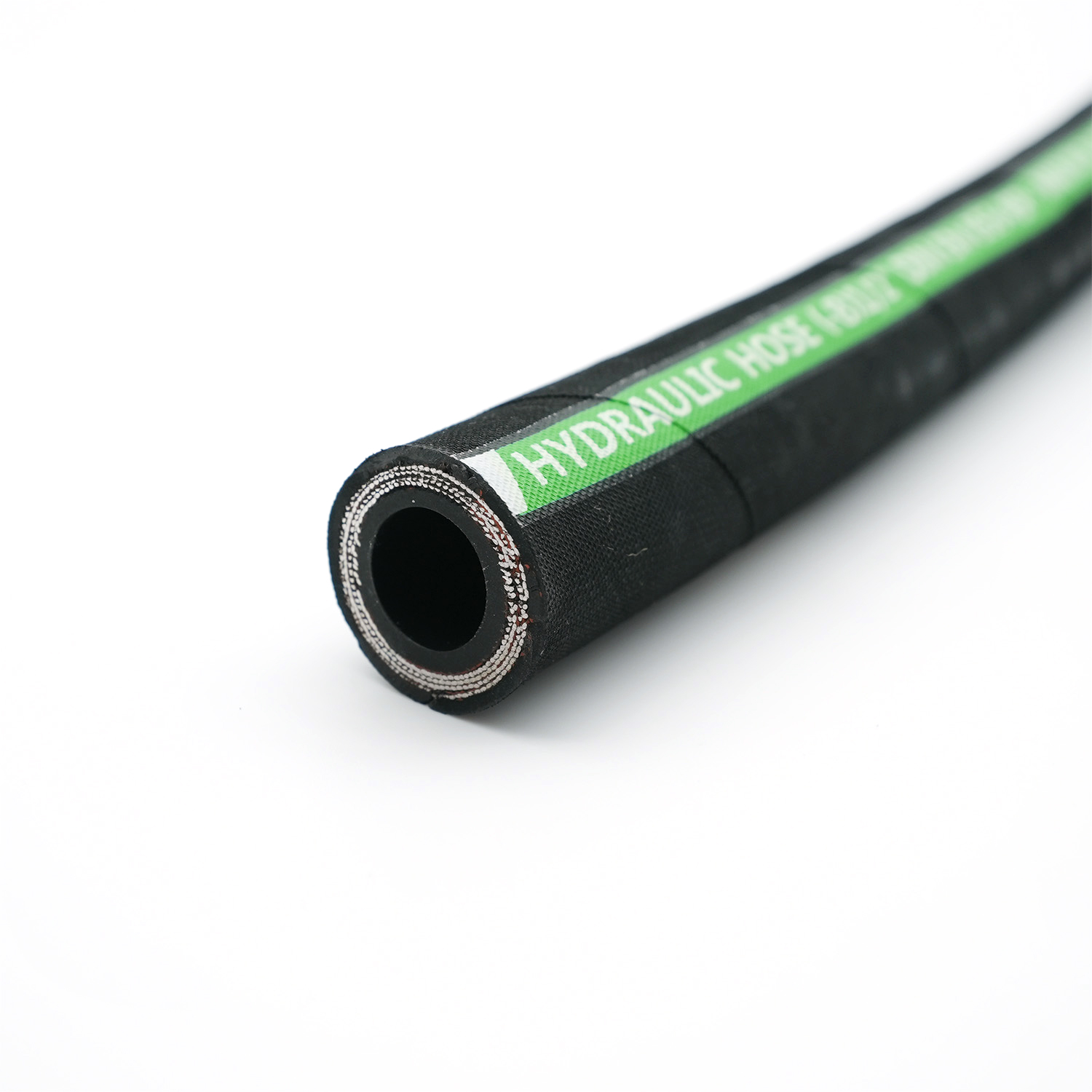
A hydraulic hose is a flexible tube that carries hydraulic fluid between various components in a system, such as cylinders, valves, and pumps. These hoses are designed to withstand high pressure and extreme conditions. They consist of a rubber or thermoplastic core, reinforced by layers of steel wire or synthetic materials to enhance their strength and durability.
Hydraulic couplings, also known as connectors or couplers, link these hoses to equipment. These mechanical devices transmit hydraulic power by securely connecting the hoses to valves, cylinders, or machinery, allowing for the transfer of fluids without leaks or interruptions.
Hydraulic couplings play an essential role in ensuring that power is efficiently transferred within the hydraulic system. A coupling connects the hydraulic hose to components and equipment, maintaining pressure and controlling the fluid flow. In systems with multiple connections, couplings also make it easy to quickly disconnect and replace hoses, ensuring minimal downtime for maintenance.
Hydraulic couplings are designed to handle high pressures and varied fluid types, allowing for flexible operation in diverse applications. They are integral to reducing operational hazards and increasing system longevity.
Threaded couplings, often referred to as screw-type couplings, are the most common type used in hydraulic systems. These couplings have male and female parts that interlock with threaded connections, ensuring a secure, leak-free connection. Threaded couplings come in various standards, including NPT (National Pipe Thread) and BSPP (British Standard Pipe Parallel). Both types offer reliable sealing but are used in different regional standards and systems.
Quick-disconnect couplings are designed for applications requiring frequent changes or rapid hose replacements. These couplings allow for easy connection and disconnection of hydraulic lines without losing pressure or fluid. They are especially useful in environments where downtime needs to be minimized, such as in construction machinery or agricultural equipment. Quick-disconnect couplings are available in several configurations, including ball, poppet, and flat-face valve types.
Flat face couplings feature flat, smooth surfaces that minimize fluid loss during connection and disconnection. This makes them ideal for high-pressure applications where even minimal leakage could pose a risk. These couplings are commonly used in industries like construction and manufacturing, where minimizing environmental impact and maintaining system integrity are crucial.

When selecting a hydraulic hose coupling, it is crucial to consider the operating pressure and temperature. Each hydraulic system has specific pressure and temperature requirements based on the type of machinery and the work environment. It is essential to choose a coupling that can handle these demands without failure. For example, high-pressure systems used in heavy machinery require couplings that are rated for higher pressure tolerances, while systems exposed to extreme temperatures need materials that can withstand heat or cold.
Hydraulic hoses and couplings must be compatible with the specific fluid used in the system. The choice of fluid can affect the longevity and performance of the coupling. For instance, oils with additives or water-based fluids may require specialized materials like stainless steel to prevent corrosion or degradation. Always check the manufacturer's recommendations for fluid compatibility to ensure the coupling’s performance and prevent leakage or wear.
The right coupling must be chosen based on the specific machinery or equipment it will be connected to. Some couplings are designed for specific equipment types, such as construction equipment or agricultural machinery, and others may be versatile for general use. Consider factors like size, connection type, and the pressure range of the equipment to ensure a proper fit.
High-quality hydraulic couplings provide efficient, leak-free connections, which directly contribute to reduced downtime in hydraulic systems. When couplings are properly installed and maintained, they help keep systems running smoothly, which reduces the need for frequent repairs and replacements. In high-demand environments, like construction or manufacturing, reducing downtime is critical to maintaining productivity.
Durable hydraulic couplings are designed to withstand harsh operating conditions, including high pressure, extreme temperatures, and exposure to chemicals. They help prevent leaks, which could result in hazardous situations, such as pressure loss, environmental contamination, or even explosions. A reliable coupling ensures both operator safety and long-term durability of the entire hydraulic system.
Investing in high-quality couplings might involve higher initial costs, but the long-term benefits include fewer system failures, lower maintenance costs, and extended equipment life. Well-maintained couplings prevent major breakdowns that could be costly and require significant repairs, saving both time and money in the long run.
The proper installation of hydraulic hose couplings is crucial for ensuring a secure and leak-free connection. Here’s a step-by-step guide:
| Step | Description |
|---|---|
| 1. Inspect Components | Check the hose and coupling for wear and damage. |
| 2. Clean Components | Ensure all parts are free from dirt, debris, or contaminants. |
| 3. Lubricate O-Rings | Apply lubricant to prevent damage and make assembly smoother. |
| 4. Align and Push | Align the components and push them together until they are securely connected. |
| 5. Lock Mechanism | Ensure quick-disconnect couplings are properly locked. |
While installing hydraulic hose couplings, it is important to avoid common errors that could affect performance:
| Error | Description |
|---|---|
| Over-tightening | Applying excessive force can damage couplings and lead to leaks. |
| Misalignment | Ensure all components are aligned before tightening to avoid stress on the system. |
| Contamination | Keep components clean during installation to avoid contamination, which can compromise the seal. |
To keep hydraulic hose couplings in optimal working condition, regular maintenance is essential. Here are key maintenance practices:
| Practice | Description |
|---|---|
| Inspect for Wear | Regularly check for signs of wear, corrosion, or damage. |
| Clean Mating Surfaces | Clean the connection points to remove dirt and debris. |
| Lubricate O-Rings | Periodically lubricate O-rings to prevent cracking and ensure a tight seal. |
| Tighten Connections | Use a torque wrench to check for loose fittings and tighten according to specifications. |
Hydraulic hoses and couplings are crucial in construction equipment like bulldozers, cranes, and excavators. These systems provide the necessary power to lift, move, and manipulate heavy materials, such as concrete and steel. They are indispensable for construction machinery, ensuring efficient operation in demanding environments, even under extreme pressure and heavy loads.
In agriculture, hydraulic hoses are vital in machinery such as tractors, harvesters, and sprayers. These hoses facilitate precise control of hydraulic systems that handle tasks like tilling, harvesting, and irrigation. They help manage the equipment efficiently, ensuring optimal performance in various farming activities, such as soil cultivation and pesticide application.
Hydraulic systems in manufacturing are essential for powering machines like presses, lathes, and mills. Hydraulic hoses and couplings transmit power to operate these machines, facilitating the production of components with high precision. These systems ensure smooth, continuous operations in industries like automotive, metalworking, and packaging, where reliability and efficiency are key.
Hydraulic hoses are widely used in the marine industry, especially in ships, boats, and offshore equipment. These hoses enable the operation of critical systems like steering, braking, and lifting. Hydraulic couplings ensure smooth transmission of power in these systems, providing precise control for navigating waters, maintaining vessel stability, and performing essential offshore tasks.
Hydraulic hoses and couplings are essential to the smooth functioning of hydraulic systems. By choosing the right type of coupling and ensuring proper installation and maintenance, you can enhance system efficiency, safety, and longevity. Whether in construction, agriculture, or manufacturing, high-quality hydraulic hoses and couplings ensure reduced downtime and optimal performance. Qingdao Honest Rubber Co., Ltd. offers reliable hydraulic hoses and couplings that provide superior durability and efficiency, making them an excellent choice for your system’s needs.
A: A hydraulic hose is a flexible tube designed to carry hydraulic fluid between various components in a system, such as pumps, valves, and cylinders, while withstanding high pressure.
A: Hydraulic hose couplings securely connect hoses to other system components, ensuring the safe and efficient transfer of hydraulic fluid while maintaining pressure and preventing leaks.
A: Flat face hydraulic couplings minimize fluid leakage during connection and disconnection, making them ideal for high-pressure systems and environmentally sensitive applications.
A: While hydraulic hoses can be reused if they are in good condition, it is recommended to inspect them for wear and damage before reusing them to ensure safe and reliable operation.
A: To select the right hydraulic hose, consider factors like the required pressure, temperature, fluid compatibility, and the hose's size and material to match your system’s needs.
