


T: +86-19511798062
E: sales@honestflex.com
E: sales@honestflex.com
Licang District, Qingdao, Shandong, China
Views: 0 Author: Site Editor Publish Time: 2025-10-31 Origin: Site


Fuel hoses are vital in ensuring safe and efficient fuel transfer across various industries. But what makes smooth cover fuel hoses unique? Choosing the right fuel hose is crucial for safety and performance. In this post, you'll learn about smooth cover fuel hoses, their importance, and their diverse applications in automotive, marine, and industrial settings.
Smooth cover fuel hoses are primarily made from high-quality synthetic rubbers or thermoplastic materials. These materials are chosen for their excellent chemical resistance and durability. The inner lining often consists of specialized compounds like nitrile rubber or PTFE, which resist fuel vapors and prevent permeation. The outer cover, typically made from synthetic rubber or thermoplastic, provides protection against environmental factors such as UV rays, ozone, and abrasion. This composition ensures the hose maintains its integrity under harsh conditions, whether used in automotive, marine, or industrial settings.
One of the standout features of smooth cover fuel hoses is their exceptional durability combined with flexibility. They are designed to withstand constant movement, vibration, and mechanical stress without cracking or tearing. This flexibility makes installation easier, especially in tight spaces or complex routing systems. For automotive applications, such as flexible fuel lines in cars or high-performance fuel transfer hoses, this feature reduces the risk of kinks and leaks. Marine fuel hoses also benefit from durability, resisting saltwater and UV exposure, ensuring long-term reliable performance.
Smooth cover fuel hoses are engineered to handle high-pressure environments. They are rated for pressures up to several hundred PSI, suitable for fuel injection systems or fuel transfer in industrial settings. Additionally, they operate efficiently across a wide temperature range, typically from -40°C to +120°C or higher. This temperature tolerance allows them to perform reliably in extreme conditions, whether in cold climates or high-heat engine compartments. Proper selection based on pressure and temperature ratings is crucial to prevent hose failure and ensure safety.
Fuel hoses must resist various chemicals present in fuels, additives, and environmental contaminants. The smooth inner lining of these hoses offers excellent chemical resistance, especially against gasoline, diesel, ethanol blends, and biodiesel. PTFE-lined hoses, in particular, are highly resistant to fuel vapors and permeation, making them ideal for modern automotive and marine applications. This chemical resilience prolongs hose lifespan, reduces maintenance needs, and prevents contamination of the fuel system.
Tip: For industrial or high-performance automotive uses, always verify that the fuel hose’s material and pressure ratings meet your specific operational requirements. Proper selection enhances safety, efficiency, and longevity.
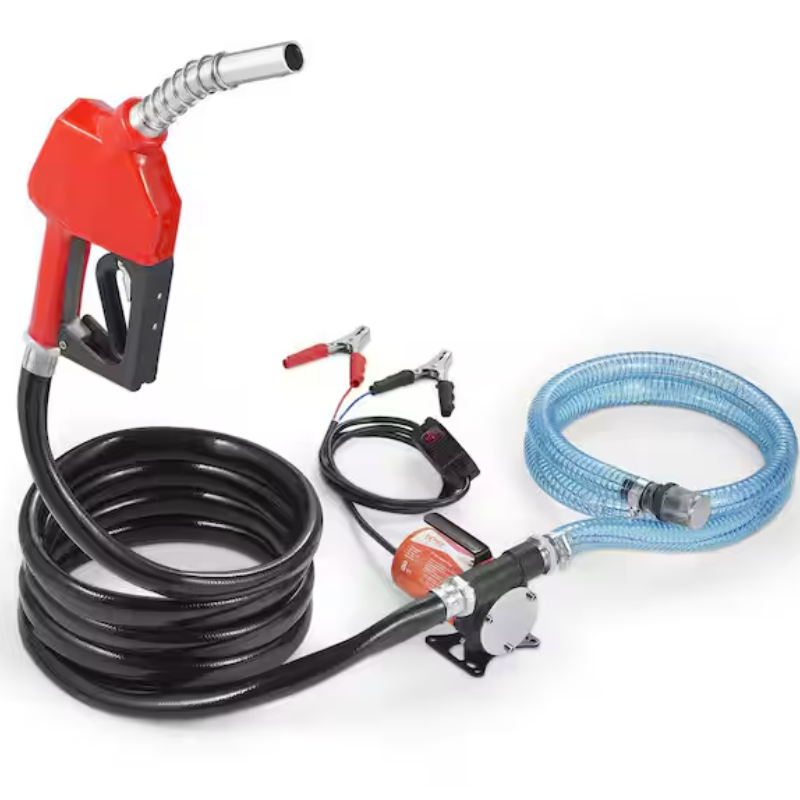
When selecting a fuel hose for transfer applications, understanding the specific needs of your system is crucial. Several factors influence the performance, safety, and longevity of the hose, including fuel compatibility, pressure, temperature, and fitting options.
Understanding Fuel CompatibilityThe first step is identifying the type of fuel you’ll be transferring—gasoline, diesel, ethanol blends, or biodiesel. Different fuels react differently with hose materials. For example, rubber fuel line automotive hoses are often suitable for gasoline, but for modern ethanol-blended fuels, a high-pressure fuel hose with PTFE lining may be necessary. Marine fuel line hoses must resist saltwater and UV exposure, making materials like reinforced thermoplastic or specially coated rubber ideal.
Assessing Pressure and Temperature NeedsEvaluate your system’s operating pressure. High-pressure fuel transfer hoses, such as those used in fuel injection systems or outboard motors, require hoses rated for several hundred PSI. Temperature extremes also matter—engine compartments can reach +120°C, while cold environments may dip below -40°C. Selecting a high-performance fuel hose with appropriate temperature tolerance prevents cracking or hardening over time.
Considerations for Hose Length and DiameterProper sizing ensures efficient fuel flow and reduces pressure drops. Measure the required length carefully, accounting for bends and routing. The inner diameter (ID) should match the fittings and flow requirements. For example, a ¼-inch ID hose suits small engine applications, whereas larger systems may need ½-inch or ¾-inch hoses. Avoid overly long runs, which can cause kinks or restrict flow.
Importance of Bend RadiusHoses have a minimum bend radius—bending beyond this point risks kinking or damaging the internal structure. For tight spaces, convoluted or flexible fuel line automotive hoses are better suited. Maintaining the correct bend radius extends hose life and maintains safety.
Selecting the Right Hose FittingsFittings must match the hose and system connections. Rubber fuel line connectors or marine fuel hose fittings ensure secure, leak-free connections. Quick connectors can speed up installation and maintenance. Always verify that fittings are compatible with the hose material and rated for your system’s pressure.
| Key Factors | Recommendations |
|---|---|
| Fuel Type | Use hoses with chemical resistance suited for your fuel (e.g., ethanol, biodiesel). |
| Pressure | Choose hoses rated for your system’s maximum pressure. |
| Temperature | Select hoses with appropriate temperature ranges for your environment. |
| Size | Match hose diameter and length to system specifications. |
| Fittings | Use compatible, high-quality fittings for secure connections. |
Tip: For industrial or high-performance automotive fuel transfer, investing in hoses from reputable fuel hose manufacturers ensures safety and durability. Properly rated hoses with the right fittings reduce risks of leaks and failures.
Connecting these considerations with your system’s specific requirements helps you select the ideal smooth cover fuel hose. This not only improves operational efficiency but also enhances safety during fuel transfer.
When selecting a fuel hose for transfer applications, understanding the differences between various types is essential for safety, performance, and longevity. Two common options are smooth bore and convoluted PTFE hoses, each suited for specific needs.
Smooth Bore Fuel Hoses feature a completely smooth inner surface made from PTFE (Teflon). This design promotes efficient fluid flow with minimal pressure loss. They are ideal for applications requiring high flow rates and easy cleaning, such as in automotive fuel systems or high-performance fuel transfer hoses. Their smooth interior also helps prevent residue buildup, making maintenance simpler.
Convoluted Fuel Hoses have a corrugated or spiral-shaped inner surface. This structure increases flexibility, allowing tighter bends without kinking. They are often used in confined spaces or complex routing, like marine fuel lines for outboard motors or systems with frequent movement. However, the ridges can cause turbulence, slightly reducing flow efficiency.
| Feature | Smooth Bore PTFE Hose | Convoluted PTFE Hose |
|---|---|---|
| Flow Efficiency | Excellent; low pressure drop | Slightly reduced; turbulence from ridges |
| Flexibility & Bend Radius | Less flexible; requires wider bend radius | Highly flexible; tight bends possible |
| Ease of Cleaning | Easy; smooth internal surface | More difficult; grooves can trap residues |
| Application Suitability | High flow, sanitary, precise metering | Tight spaces, dynamic movement, viscous fluids |
Use smooth bore PTFE hoses when flow efficiency, cleanliness, and precise metering are priorities. They work well in fuel injection systems, chemical transfer, and sanitary environments.
Opt for convoluted PTFE hoses if your application involves frequent movement, tight bends, or handling viscous fluids. They excel in marine fuel lines, robotic systems, and applications with space constraints.
There's no one-size-fits-all. Your choice depends on your application's specific demands—whether you need maximum flow and easy cleaning or high flexibility and maneuverability. Understanding these differences helps ensure your fuel system operates safely and efficiently.
Tip: For industrial or high-performance automotive uses, always verify that the hose's specifications match your operational requirements. Proper selection enhances safety, durability, and system performance.
Correct installation of fuel hoses is essential for safety and optimal performance. Start by selecting a hose with the appropriate bend radius to prevent kinking or internal damage. Always follow the manufacturer’s specifications for minimum bend radius—bending beyond this can cause cracks or collapse inside the hose. Use support brackets or clamps to secure the hose along its route, especially in areas with movement or vibration.
When connecting the hose to fittings, ensure the rubber fuel line connector or marine fuel line fittings are compatible and tightly secured using high-quality clamps. Avoid over-tightening, as this can deform the hose or damage the fittings. For added safety, in high-pressure systems, consider using fuel hose quick connectors for quick, secure, and leak-proof connections.
In tight spaces, use flexible fuel line automotive hoses designed for maneuverability. For outboard motors, ensure the hose is rated for marine conditions and resistant to saltwater and UV exposure. When routing, keep the hose away from hot engine parts or moving components to prevent deterioration.
Routine checks are vital for long-lasting fuel hoses. Inspect for visible cracks, bulges, or discoloration—these are signs of wear or chemical degradation. Pay special attention to areas near fittings and bends, where stress is higher. If you detect leaks, replace the hose immediately to avoid fuel spills or fire risks.
Clean the exterior of the hose periodically to prevent dirt and debris buildup, which can cause abrasion. If your system uses fuel line hose fittings, verify they remain tight and free of corrosion. For hoses exposed to harsh environments, consider applying protective covers or abrasion-resistant sleeves.
Maintain a regular schedule for pressure testing if applicable. This involves applying a controlled pressure to the hose to check for leaks or weaknesses. Additionally, keep records of installation dates and inspection results to anticipate when replacements might be necessary.
Leaks or drips: Often caused by loose fittings or cracks. Tighten fittings or replace damaged hoses.
Kinking or hardening: Usually due to excessive bending or chemical exposure. Replace with properly rated, flexible hoses.
Reduced fuel flow: Check for blockages, kinks, or collapsed hoses. Replace if internal damage is evident.
Odor of fuel: Indicates a leak. Inspect all connections and replace compromised hoses immediately.
Always use high-quality fuel hose fittings and ensure they match your hose’s specifications. When replacing hoses, opt for products from reputable fuel hose manufacturers to guarantee safety and durability. Proper installation combined with regular maintenance reduces downtime and prevents costly accidents.
Note: Keep hoses away from sources of heat, chemicals, or sharp edges. Store unused hoses in a cool, dry place, sealed to prevent deterioration.
Tip: Regularly review your system’s pressure and temperature requirements to select the most suitable hoses, ensuring safety and efficiency in your fuel transfer operations.
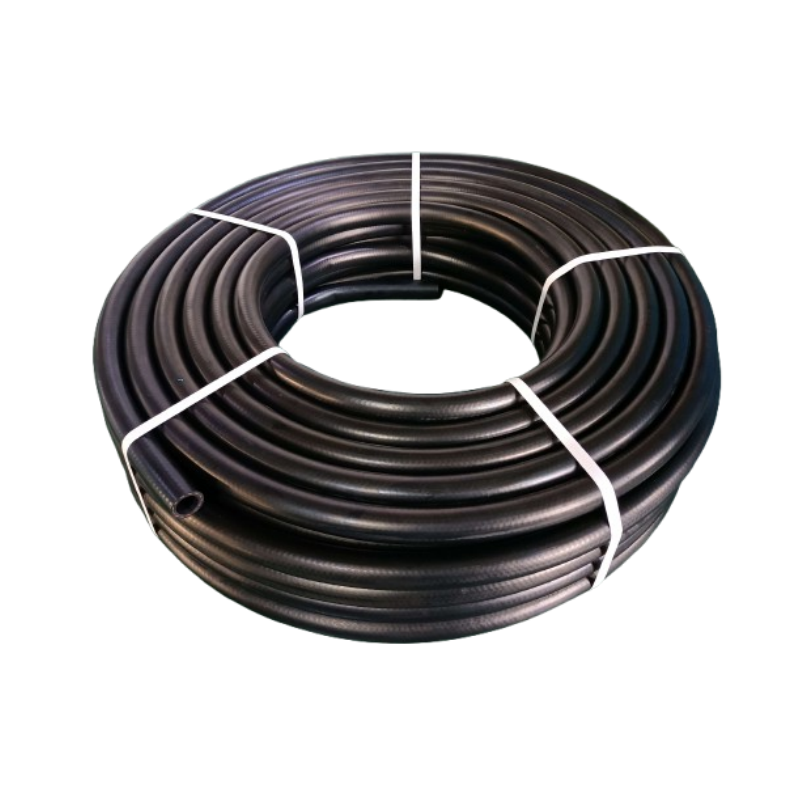
Preventing leaks and spills is critical when working with fuel hoses. Proper handling and storage not only protect the environment but also safeguard personnel. Using the right connectors, fittings, and hoses designed for specific fuels reduces the risk of accidents. For example, a fuel hose quick connector ensures a secure, leak-free connection during quick maintenance or system checks.
Handling fuel hoses with care is essential. Always depressurize the system before disconnecting hoses to prevent sudden fuel sprays. When installing, avoid excessive bending or twisting, which can weaken the hose structure. Maintaining a safe bend radius prevents internal kinks that could lead to leaks or hose rupture.
Storage plays a vital role in safety. Store hoses in a cool, dry, well-ventilated area, away from direct sunlight and heat sources. Keep hoses coiled properly, avoiding sharp bends or pressure points. Sealing the ends prevents dust, dirt, and moisture from contaminating the interior, which can compromise performance.
Regular inspection is fundamental for safety and longevity. Check for cracks, bulges, or discoloration on the outer cover. Internal damage might not be visible but can be detected through leaks or fuel odors. Replace any hose showing signs of deterioration immediately. Using high-quality rubber fuel line connector fittings and durable marine fuel hose fittings ensures tight, leak-proof connections.
Adhering to industry safety standards is non-negotiable. Use hoses and fittings that meet certifications like SAE J30 or ISO standards. These specifications guarantee the hose’s resistance to fuel permeation, temperature extremes, and pressure surges. Properly rated hoses reduce the risk of fire, environmental harm, and system failure.
Finally, always follow manufacturer guidelines during installation and maintenance. Employ appropriate tools and techniques, such as using fuel hose quick connectors for swift, secure connections. Conduct routine pressure tests to verify system integrity. Training personnel on safe handling procedures minimizes hazards and promotes a safety-first culture.
Tip: Regularly document inspections and replacements. This record-keeping helps predict hose lifespan and plan proactive maintenance, ensuring ongoing safety and system reliability.
Smooth cover fuel hoses, made from high-quality synthetic rubbers or thermoplastics, offer durability, flexibility, and chemical resistance. They withstand high pressures and temperatures, making them suitable for automotive, marine, and industrial applications. Choosing the right hose involves considering fuel compatibility, pressure, temperature, and fitting options. Honest Rubber provides fuel hoses that ensure safety, efficiency, and longevity. Their products are designed to meet industry standards, offering secure connections and reliable performance in various environments.
A: A smooth cover fuel hose is used for fuel transfer applications in automotive, marine, and industrial settings, offering durability, flexibility, and chemical resistance.
A: Choose a fuel hose for outboard motors that resists saltwater and UV exposure, and ensure it is compatible with marine fuel hose fittings for secure connections.
A: Chemical resistance in fuel hoses prevents permeation and degradation when exposed to various fuels and additives, ensuring safety and longevity.
A: Flexible fuel line automotive hoses provide easy installation in tight spaces, reducing the risk of kinks and leaks during fuel transfer.
A: Fuel hose quick connectors offer secure, leak-proof connections, simplifying maintenance and reducing the risk of accidental fuel spills.
