


T: +86-19511798062
E: sales@honestflex.com
E: sales@honestflex.com
Licang District, Qingdao, Shandong, China
Views: 0 Author: Site Editor Publish Time: 2025-10-31 Origin: Site


Have you ever considered the unsung heroes of manufacturing and construction? Industrial hoses play a crucial role in these industries, ensuring smooth operations and safety. They transport air, water, chemicals, and more, adapting to various environments. In this post, you'll learn about different industrial hose types and their specific applications in manufacturing and construction.
Air hoses are essential in many industries. They deliver compressed air to power tools, pneumatic equipment, and ventilation systems. Typically made from durable materials like rubber, polyurethane, or PVC, they are designed for high flexibility and pressure resistance. They often feature reinforcement with textile or steel braids to withstand demanding environments such as construction sites, factories, and mines.
Key features:
Excellent flexibility
Resistance to pressure and abrasion
Suitable for high-pressure applications
Common applications:
Operating pneumatic tools
Supplying air in manufacturing plants
Ventilation and dust extraction

Water hoses are versatile and widely used across agriculture, construction, and industry. They are made from EPDM, PVC, or rubber, capable of handling hot and cold water. Reinforcements prevent kinking and collapsing under suction or pressure. They come in various diameters and lengths, with some designed specifically for high-pressure cleaning or irrigation.
Key features:
Weather and UV resistant
Kink-resistant
Suitable for hot and cold water
Common applications:
Irrigation systems
Industrial cleaning
Firefighting and washdown tasks
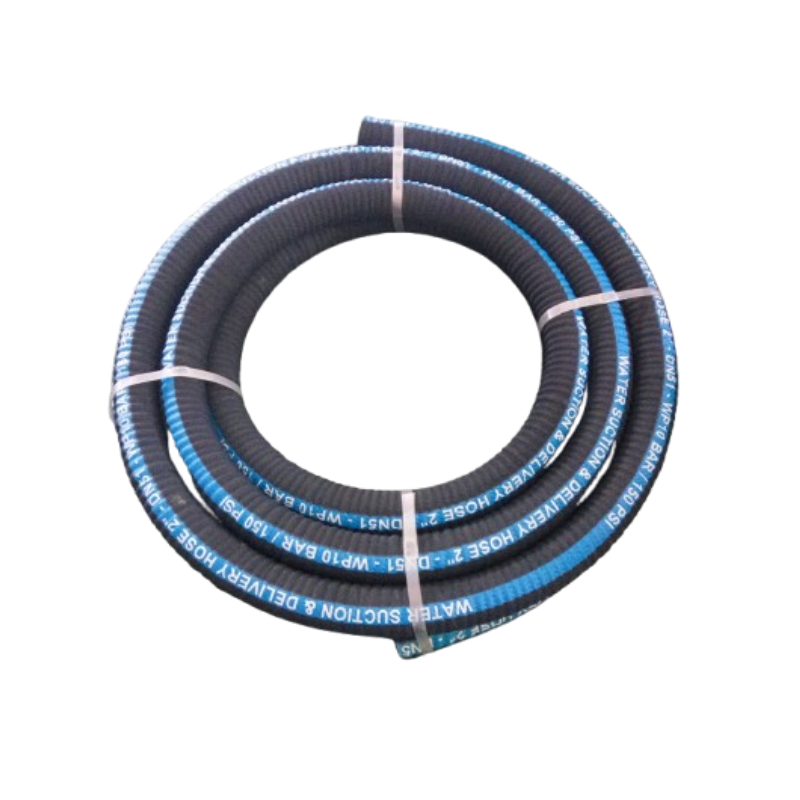
Chemical hoses are built to transfer aggressive chemicals, acids, and solvents safely. They are made from materials like PTFE, XLPE, or EPDM, which resist corrosion and high temperatures. Some models include helical wire reinforcement for added strength during suction or discharge.
Key features:
High chemical resistance
Leak-proof and durable
Able to handle high pressure and temperature
Common applications:
Chemical processing plants
Pharmaceutical manufacturing
Petrochemical industries
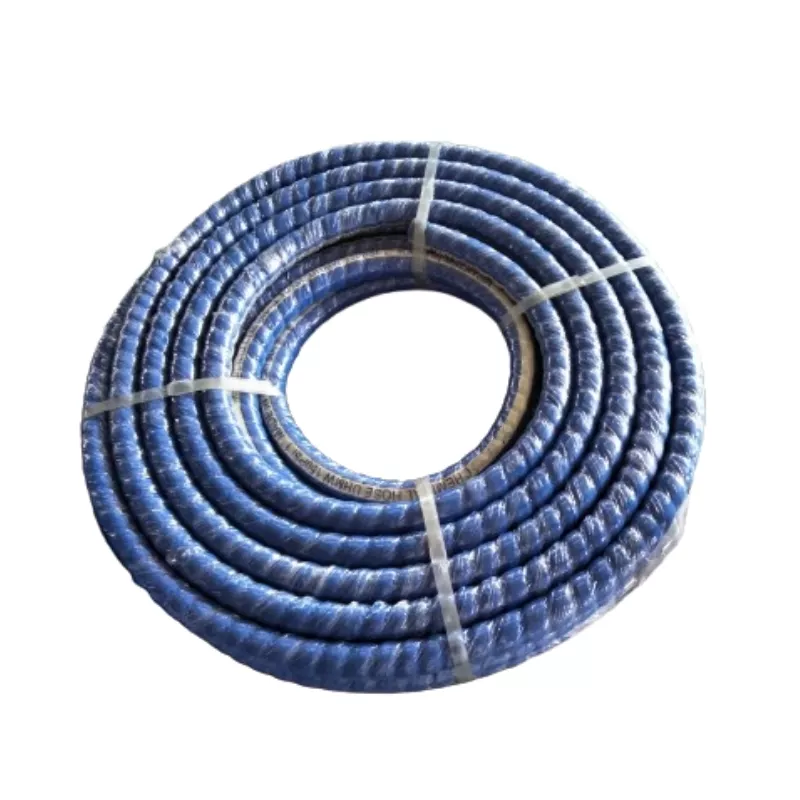
Designed for high-temperature steam transfer, these hoses are reinforced with braided steel or wire helix. They can handle saturated steam up to 450°F and pressures around 250 psi. Their construction ensures safety and durability in industries like food processing, power generation, and refineries.
Key features:
High heat and pressure tolerance
Safety-rated with a high safety factor (often 10:1)
Resistant to wear and chemical damage
Common applications:
Steam cleaning and sterilization
Heating systems
Power plant operations
| Hose Type | Material Examples | Key Uses | Reinforcement |
|---|---|---|---|
| Air Hoses | Rubber, Polyurethane, PVC | Pneumatic tools, ventilation | Textile or steel braid |
| Water Hoses | EPDM, Rubber, PVC | Irrigation, firefighting, cleaning | Reinforced with fabric or steel |
| Chemical Hoses | PTFE, XLPE, EPDM | Chemical transfer, acids, solvents | Helical wire or textile reinforcement |
| Steam Hoses | Reinforced rubber, steel | High-temp steam, sterilization | Braided steel or wire helix |
| Food-Grade Hoses | Silicone, Nitrile, PVC | Food processing, beverage transfer | Food-grade reinforcement |
Choosing the right industrial hose depends on understanding your application's specific needs. Consider the material compatibility, pressure, temperature, and environment. Reinforced hoses provide extra durability for high-pressure or abrasive tasks, while flexible hoses excel in tight spaces or dynamic setups. Proper selection ensures safety, efficiency, and long service life.
Industrial hoses are vital in moving raw materials efficiently within manufacturing plants. For example, rubber hoses transfer bulk powders like cement or grains, ensuring continuous production flow. Chemical hoses convey corrosive liquids from storage tanks to processing units, maintaining safety and preventing leaks. Their flexibility allows operators to route them around machinery, reducing setup time and improving overall productivity.
Manufacturing processes often require precise temperature control. Industrial hoses facilitate this by transporting hot or chilled water, steam, or thermal oils. For instance, flexible steam hoses enable sterilization and heat transfer in food processing, while water hoses supply cooling water to machinery. High-pressure hoses withstand extreme temperatures, ensuring reliable operation without damage or leaks.
Chemical hoses are engineered with materials like PTFE or XLPE, offering excellent chemical resistance. They safely transfer acids, solvents, or other reactive substances in chemical plants. Their leak-proof design and reinforced construction prevent contamination or hazardous exposures. Proper selection of chemical hoses ensures compliance with safety standards and maintains product integrity.
In food manufacturing, hygiene is paramount. Food-grade hoses made of FDA-approved materials like silicone or nitrile handle ingredients such as milk, juice, or beer. They are designed with smooth interiors for easy cleaning and minimal bacterial buildup. These hoses withstand high temperatures, including steam cleaning, and resist odors or taste transfer, ensuring product purity.
A beverage plant uses silicone hoses for transferring hot liquids during pasteurization. The hoses' high-temperature resistance and smooth internal surface prevent contamination and facilitate quick cleaning, keeping production compliant with food safety regulations.
Industrial hoses serve multiple roles in manufacturing—from conveying raw materials to maintaining temperature control and ensuring chemical safety. Their diverse designs and materials enable industries to operate efficiently and safely. Proper application-specific selection, combined with regular maintenance, maximizes hose lifespan and minimizes downtime.
Tip: Always verify chemical compatibility and temperature ratings before selecting industrial hoses for sensitive manufacturing processes.
In construction, industrial hoses are vital for pumping and transferring concrete and cement. These hoses are typically reinforced with thick rubber or polyurethane linings to withstand the abrasive nature of these materials. They are designed to handle high pressures and resist wear from constant contact with rough aggregates and chemicals. Commonly, heavy-duty rubber hoses with steel or textile reinforcement are used for this purpose. Proper selection ensures the concrete flows smoothly without blockages or leaks, maintaining project efficiency.
Water and air hoses are essential on construction sites for various tasks. Water hoses supply clean water for mixing, dust suppression, and site cleaning. They are usually made from abrasion-resistant rubber or PVC, capable of handling high water pressures and outdoor conditions. Air hoses power pneumatic tools, including jackhammers and drills. These hoses are reinforced with fabric or steel braids to resist pressure spikes and mechanical damage. Flexibility and durability are key, especially when routing hoses around machinery and uneven terrain.
Using the right industrial hoses enhances safety and operational efficiency. For example, fire-resistant hoses are crucial for emergency preparedness. They are tested to withstand high temperatures and pressures, preventing failures during critical moments. Additionally, lay-flat hoses facilitate quick setup and storage for water transfer or drainage tasks. Properly maintained hoses reduce the risk of accidents caused by leaks, bursts, or kinks. Regular inspections and choosing hoses with suitable pressure and temperature ratings are vital for safe, uninterrupted work.
When selecting industrial hoses for construction, consider:
Material Compatibility: Ensure hoses resist chemicals, abrasions, or UV damage.
Pressure and Temperature: Match hose ratings to system demands.
Flexibility and Length: Adequate routing without excessive slack.
Reinforcement: Steel or textile layers for high-pressure tasks.
Safety Standards: Comply with local regulations and safety certifications.
Industrial hoses are indispensable in construction for transferring concrete, water, and air efficiently and safely. Proper selection based on material, pressure, and environmental factors ensures durability and safety. Regular maintenance and adherence to standards prevent failures and protect workers. Investing in the right hoses improves workflow, reduces downtime, and enhances site safety.
Selecting the appropriate industrial hose begins with understanding your system’s specific needs. First, assess the operating pressure. For high-pressure applications like hydraulic systems or fuel transfer, choose hoses with a pressure rating that exceeds your maximum system pressure. For example, if your system operates at 3,000 psi, select a hose rated for at least 4,000 psi for safety margin.
Temperature is equally critical. Consider both the media temperature and ambient environment. For hot fluids or steam, hoses made from EPDM, silicone, or PTFE withstand extreme heat. Conversely, for cryogenic or cold environments, stainless steel or specialized rubber hoses are preferable. Always pick a hose with a temperature rating that covers your maximum and minimum operating conditions.
Flexibility influences installation and operation. If your system involves tight bends or frequent movement, select hoses with high flexibility and a small bend radius. Reinforced hoses with braided steel or textile layers offer strength without sacrificing maneuverability. For static setups, more rigid hoses may suffice.
Matching the hose material with the conveyed media prevents degradation and leaks. For corrosive chemicals, PTFE or XLPE hoses resist reaction and contamination. For oils and fuels, nitrile or chlorobutyl hoses are ideal. Food and pharmaceutical industries require FDA-compliant, non-toxic materials like silicone or chlorobutyl.
Proper sizing ensures efficient flow and secure connections. The inner diameter (ID) determines flow rate; too small causes pressure drops, too large can lead to inefficiency. Outer diameter (OD) must fit fittings snugly to prevent leaks. When choosing fittings, verify compatibility with hose ends—thread type, size, and material—such as stainless steel or brass, depending on the environment.
By carefully evaluating pressure, temperature, media, size, and flexibility, you can select the ideal industrial hose for your application. Remember, choosing a hose with appropriate safety margins and compatible fittings enhances operational safety and longevity. When in doubt, consulting with a trusted industrial hose supplier can help you make the best decision for your specific environment and needs.
Routine inspections are vital to ensure your industrial hoses remain in optimal condition. Look for signs of wear such as cracks, bulges, leaks, or abrasions. Pay close attention to areas near fittings and bends, where damage often occurs. If any damage is detected, replace the hose immediately to prevent failures or accidents. Many industrial hose suppliers near me can provide quick replacements, minimizing downtime.
Proper storage extends the lifespan of your industrial hoses. Store hoses in a cool, dry, and clean environment away from direct sunlight, chemicals, or sources of ozone that can degrade the material. Avoid stacking hoses on sharp objects or heavy items that could cause deformation. Use hose reels or racks to keep hoses off the ground and prevent kinks or crushing. When not in use, coil hoses loosely to avoid unnecessary stress on the material.
Compliance with safety standards is non-negotiable in industrial environments. Regularly verify that hoses and fittings meet industry certifications such as OSHA, ANSI, or local regulations. Use appropriate fittings and ensure they are securely attached to prevent leaks or disconnections. Always follow manufacturer guidelines for maximum pressure, temperature ratings, and compatible media. Training staff on proper handling, connection, and disconnection procedures reduces the risk of accidents.
Tip: Incorporate a documented maintenance schedule and keep records of inspections, replacements, and repairs to facilitate compliance and safety audits.
Industrial hoses are vital tools that streamline many processes. When you select the right type—such as reinforced rubber, PTFE, or thermoplastic hoses—you ensure smooth material flow. Properly chosen hoses reduce bottlenecks, maintain consistent pressure, and improve overall productivity. For example, using high-quality industrial hose assemblies tailored for your system minimizes interruptions caused by leaks or failures. Local industrial hose suppliers near me can provide quick access to the right hoses, saving time and reducing delays.
Investing in durable, industry-specific hoses pays off over time. High-grade industrial hose and hydraulic products resist wear, chemicals, and temperature extremes. This resilience means fewer replacements and repairs. Regular maintenance, including inspections of industrial hose fittings and assemblies, prevents unexpected breakdowns. When hoses are maintained properly, your operation experiences less downtime, which translates into significant cost savings. Partnering with industrial hose manufacturers who offer warranties and quality assurance further reduces long-term expenses.
Safety is paramount in industrial environments. Properly selected hoses, compliant with standards like OSHA or industry-specific certifications, help prevent accidents. For instance, using fire-resistant or explosion-proof hoses in hazardous areas minimizes fire risks. Regular safety checks and adherence to safety tips, like inspecting for cracks or leaks, protect workers. Additionally, choosing hoses that meet environmental regulations—such as those preventing leachables or extractables—ensures compliance with health and safety standards.
Tip: Always verify that your industrial hoses are rated for your system’s pressure and temperature requirements. Proper fittings and assemblies also play a crucial role in maintaining safety and efficiency.
Industrial hoses play a crucial role in manufacturing and construction, ensuring efficient material transfer, safety, and operational efficiency. Key factors in selecting the right hose include pressure, temperature, flexibility, and material compatibility. Future trends in hose technology may focus on enhanced durability and environmental compliance. Proper selection and maintenance can prevent costly downtime and improve safety. Companies like Honest Rubber offer high-quality hoses that meet industry standards, providing value through durability and reliable performance.
A: The main types of industrial hoses include rubber hoses, PVC hoses, polyurethane hoses, PTFE (Teflon) hoses, and metal hoses. Each type is designed for specific applications, such as chemical handling, water transfer, and high-pressure tasks.
A: Industrial hose fittings ensure secure connections and prevent leaks. Selecting the right fittings, such as those made from stainless steel or brass, compatible with the hose material and application, enhances performance and safety.
A: Material choice is crucial as it determines the hose's compatibility with the media being transferred, its resistance to chemicals, temperature, and abrasions, and overall durability. Choosing the right material minimizes degradation and failure risks.
A: You can find industrial hose suppliers near you by searching online directories or contacting local industrial supply stores. They offer a range of hoses tailored to various industry needs.
A: Industrial hose assemblies provide ready-to-use solutions, ensuring compatibility between hoses and fittings. They enhance operational efficiency by reducing setup time and ensuring leak-proof connections.
