


T: +86-19511798062
E: sales@honestflex.com
E: sales@honestflex.com
Licang District, Qingdao, Shandong, China
Views: 0 Author: Site Editor Publish Time: 2026-06-29 Origin: Site


The world of modern industrial machinery and heavy-duty equipment relies heavily on the efficient transmission of power through fluid dynamics. At the very heart of these complex fluid power systems is the Hydraulic Hose, a critical component designed to convey fluids under varying degrees of pressure to actuate cylinders, turn motors, and perform immense physical tasks. Without these flexible conduits, the rigid structures of excavators, tractors, and manufacturing presses would be entirely immobilized. Understanding the foundational basics of these hoses, including their various types, the crucial information printed on their laylines, and their specific pressure ratings, is absolutely essential for anyone involved in the maintenance, design, or operation of fluid power machinery. By delving into the anatomy and specifications of these fluid transfer lines, operators and engineers can ensure maximum efficiency, safety, and longevity in their mechanical systems.
A flexible, durable hose designed for efficient fluid power transmission in industrial and agricultural machinery.
Fluid power systems operate on the principle that confined fluids can transmit force across distances with minimal loss of energy. To achieve this, the conduits carrying these fluids must be robust, flexible, and highly resistant to both internal pressures and external environmental factors. The evolution of fluid transfer technology has led to the development of highly specialized hoses that cater to specific operational demands. Whether the application involves high-pressure lifting mechanisms on a construction site or low-pressure return lines in a stationary industrial press, the selection of the correct hose is paramount. This comprehensive guide will explore the fundamental aspects of these hoses, focusing on how they are constructed, how to interpret their technical markings, and how to match their pressure capabilities to the demands of specific machinery.
To fully appreciate the capabilities of a fluid transfer line, one must first understand its internal architecture. A standard hose used in fluid power applications is not merely a hollow tube; it is a highly engineered composite structure typically consisting of three distinct layers. The innermost layer is the tube, which is in direct contact with the hydraulic fluid. This tube must be chemically compatible with the fluid it carries to prevent degradation, swelling, or contamination of the system. Surrounding the inner tube is the reinforcement layer, which provides the structural integrity necessary to withstand internal pressures. Finally, the outer cover protects the internal layers from external damage, such as abrasion, weathering, ozone exposure, and chemical spills.
The reinforcement layer is perhaps the most critical factor in determining the pressure rating and flexibility of the hose. There are generally two main types of reinforcement used in the industry: braided and spiral. Braided reinforcement involves weaving strands of wire or textile materials in a crisscross pattern around the inner tube. This construction offers excellent flexibility and is typically used for low to medium-pressure applications. Spiral reinforcement, on the other hand, consists of multiple layers of high-tensile steel wire wrapped in alternating directions. This design provides superior strength and is utilized in high-pressure and ultra-high-pressure scenarios, though it sacrifices some flexibility compared to braided designs. Textile braided hoses are particularly notable for their lightweight and highly flexible nature, making them ideal for specific low-pressure environments.
In applications where extreme pressures are not a factor, textile braided hoses offer an optimal balance of performance and flexibility. Instead of using steel wire, the reinforcement layer is constructed from high-tensile textile fibers. This single layer of textile braid allows the hose to bend easily around tight corners and navigate complex routing paths within machinery without kinking or stressing the connections. The use of textile materials also significantly reduces the overall weight of the hose assembly, which can be a crucial advantage in mobile equipment or applications where weight reduction is a priority.
The inner tube of a high-quality textile braided hose is frequently manufactured from synthetic rubber compounds, such as Nitrile Butadiene Rubber (NBR). NBR is highly regarded in the industry for its exceptional resistance to petroleum-based oils, making it an ideal material for conveying standard hydraulic fluids, lubricants, and diesel. The outer cover is similarly crafted from durable synthetic rubber designed to withstand the harsh conditions often found in industrial and outdoor environments. This cover acts as a shield against abrasion from rubbing against other machine components, as well as providing resistance to ozone and weather degradation, ensuring a long service life even when exposed to the elements.
When inspecting a fluid transfer line, one will immediately notice a string of text printed continuously along its outer cover. This printed information is known as the layline, and it serves as the hose's identification card and blueprint. The layline is an indispensable tool for maintenance personnel and engineers, providing critical data required for safe and effective hose replacement and system troubleshooting. Ignoring or misunderstanding the information on the layline can lead to catastrophic system failures, equipment damage, and severe safety hazards.
A standard layline typically includes several key pieces of information. First, it will identify the manufacturer or brand, ensuring traceability and quality assurance. Next, it will display the specific industry standard that the hose meets, such as SAE (Society of Automotive Engineers), EN (European Norm), or DIN (Deutsches Institut für Normung) specifications. These standards dictate the construction, dimensions, and performance requirements of the hose, ensuring consistency and compatibility across different brands and systems. For example, a designation like SAE 100R6 immediately informs the technician about the hose's construction type, intended use, and general pressure capabilities.
Beyond the manufacturer and standard designations, the layline provides precise dimensional and performance specifications. The inner diameter (ID) of the hose is prominently displayed, often in both inches and millimeters. The ID is a critical measurement because it determines the fluid flow rate and velocity within the system. Selecting a hose with an incorrect ID can lead to excessive fluid velocity, generating heat and pressure drops that reduce system efficiency, or insufficient velocity, leading to sluggish actuator response.
Another vital piece of information on the layline is the maximum working pressure rating. This rating indicates the highest internal pressure the hose is designed to withstand continuously during normal operation. It is imperative that the maximum working pressure of the hose meets or exceeds the maximum operating pressure of the hydraulic system, including any potential pressure spikes or surges. The layline may also indicate the temperature range the hose can safely endure, which is crucial for applications operating in extreme cold or high-heat environments. By carefully reading and interpreting the layline, operators can ensure they are using the correct component for their specific application, thereby maintaining the integrity and safety of their fluid power systems.
Understanding pressure ratings is fundamental to the safe operation of any fluid power system. The terminology surrounding pressure can sometimes be confusing, but distinguishing between working pressure and burst pressure is critical. The maximum working pressure, as mentioned earlier, is the maximum continuous pressure the hose is engineered to handle safely over its intended service life. System designers calculate this value based on the normal operational demands of the machinery, ensuring that the hose can perform reliably without structural degradation under standard conditions.
Burst pressure, conversely, is the minimum internal pressure at which the hose is expected to catastrophically fail or rupture. Industry standards typically require a significant safety factor between the working pressure and the burst pressure. For many standard fluid transfer lines, this safety factor is 4:1, meaning the burst pressure is four times higher than the maximum working pressure. This substantial margin of safety is designed to accommodate sudden, unexpected pressure spikes—often referred to as pressure surges or water hammer effects—that can occur when valves close rapidly or loads shift suddenly. However, it is crucial to emphasize that a hose should never be intentionally operated at or near its burst pressure, as doing so will cause irreversible damage to the reinforcement layers and lead to imminent failure.
To guarantee the safety and reliability of fluid transfer lines, reputable manufacturers subject their products to rigorous testing protocols before they are delivered to the end-user. One of the most critical quality control measures is the pressure and burst test. During this process, sample hoses from a production batch are pressurized with fluid until they fail, allowing engineers to verify that the burst pressure meets or exceeds the required industry standards. Additionally, hoses may undergo proof pressure testing, where they are pressurized to a level above their maximum working pressure (typically twice the working pressure) for a specified duration to check for leaks, weeping, or structural anomalies.
When a product is certified as being 100% pressure and burst tested prior to delivery, it provides the user with a high degree of confidence in its structural integrity. This level of quality assurance is particularly important in industrial, agricultural, and construction settings, where a hose failure can result in costly downtime, environmental contamination from spilled hydraulic fluid, and severe safety risks to operators and bystanders. By adhering to strict testing standards, manufacturers ensure that their hoses can withstand the demanding conditions of real-world applications.
The performance and longevity of a fluid transfer line are heavily influenced by the temperatures it encounters, both internally from the conveyed fluid and externally from the surrounding environment. Every hose is engineered to operate within a specific temperature range, and exceeding these limits can have detrimental effects on the materials. High temperatures can cause the synthetic rubber compounds in the inner tube and outer cover to accelerate in their aging process, leading to hardening, cracking, and a loss of flexibility. Over time, this degradation significantly reduces the hose's ability to contain pressure, ultimately resulting in leaks or blowouts.
Conversely, extreme cold can cause the rubber materials to become brittle and stiff. If a hose is flexed or subjected to pressure surges while in a brittle state, the inner tube or outer cover can easily crack. Therefore, selecting a hose with an appropriate temperature rating is essential for applications operating in harsh climates or involving high-temperature fluids. It is also important to consider the intermittent temperature rating, which indicates the maximum temperature the hose can withstand for short, infrequent periods without sustaining immediate damage. Proper thermal management of the fluid power system, including the use of heat exchangers or coolers, can help maintain fluid temperatures within the optimal range for the hose and other system components.
Even the highest quality fluid transfer line will fail prematurely if it is installed incorrectly. Proper routing and installation are critical to maximizing the service life of the hose and ensuring the reliable operation of the machinery. One of the most common causes of premature failure is improper bending. Every hose has a minimum bend radius, which is the tightest arc it can be bent into without kinking or stressing the reinforcement layers. Forcing a hose into a bend tighter than its specified minimum bend radius will restrict fluid flow, generate excessive heat, and severely compromise the structural integrity of the reinforcement, leading to early rupture.
When routing hoses, it is essential to avoid twisting the assembly. A twisted hose is subjected to immense internal stresses that can cause the reinforcement layers to separate or the fittings to loosen. Installers must ensure that the hose flexes in a single plane and use appropriate fittings, such as angled connectors or swivel joints, to prevent twisting during machine operation. Additionally, hoses should be routed away from sources of extreme heat, such as exhaust manifolds, and protected from abrasion by using protective sleeves, spiral wrap, or proper clamping techniques to prevent them from rubbing against sharp edges or moving machine parts.
When specific applications require a reliable, flexible, and low-pressure fluid transfer solution, the Honestflex SAE 100R6 Hydraulic Hose emerges as an optimal choice. This product is meticulously engineered to serve as a low-pressure, single textile braided hydraulic hose, catering to a wide array of industrial, agricultural, and automotive needs. Its construction is tailored for environments where extreme high pressures are not present, but where flexibility, durability, and consistent performance are paramount.
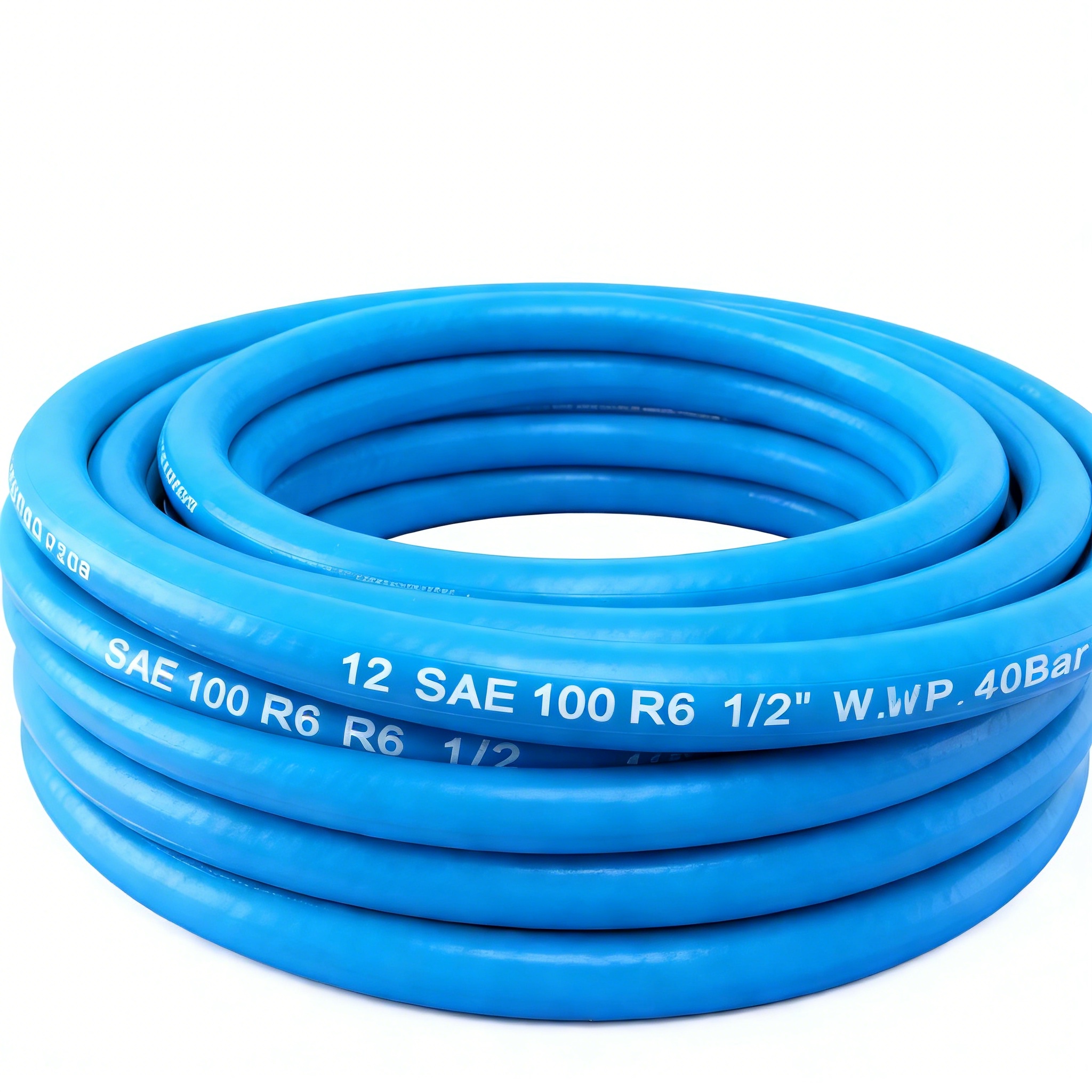
The structural integrity of the Honestflex SAE 100R6 begins with its inner core. It is constructed with a black oil-resistant synthetic rubber (NBR) inner tube. This NBR material is specifically chosen for its excellent compatibility with a variety of fluids, ensuring that the tube will not degrade, swell, or break down when exposed to standard hydraulic media. Surrounding this inner tube is the reinforcement layer, which consists of a single layer of high-tensile textile braid. This textile reinforcement is the key to the hose's exceptional flexibility, allowing it to be routed through tight spaces and complex machinery without compromising its pressure resistance capabilities within its designated operational range.
Protecting the internal components is a robust black synthetic rubber outer cover. This cover is engineered to resist abrasion, ozone, and weather, ensuring that the hose maintains its integrity even when exposed to harsh environmental conditions, UV radiation, and the physical wear and tear typical of industrial settings. To guarantee reliability, every Honestflex SAE 100R6 hose is 100% pressure and burst tested prior to delivery, providing users with the assurance that the product meets stringent quality and safety standards before it ever reaches the field.
The performance parameters of the Honestflex SAE 100R6 are clearly defined to ensure safe and efficient operation. It boasts a broad temperature range, capable of functioning effectively in environments from -40°C to +100°C. For applications that experience temporary thermal spikes, the hose can handle intermittent temperatures up to +120°C. In terms of pressure capabilities, it is designed for a maximum working pressure of up to 3.5 MPa (508 PSI), making it perfectly suited for low-pressure systems.
To accommodate various system requirements, the hose is available in multiple sizes ranging from a 5mm (3/16 Inch) inner diameter up to a 19mm (3/4 Inch) inner diameter. It is supplied in standard lengths of 20m, 50m, and 100m per roll, providing ample material for extensive installations or bulk purchasing. Furthermore, it is available in custom assemblies crimped with JIC, NPT, BSP, or ORFS fittings, allowing for seamless integration into diverse fluid power systems.
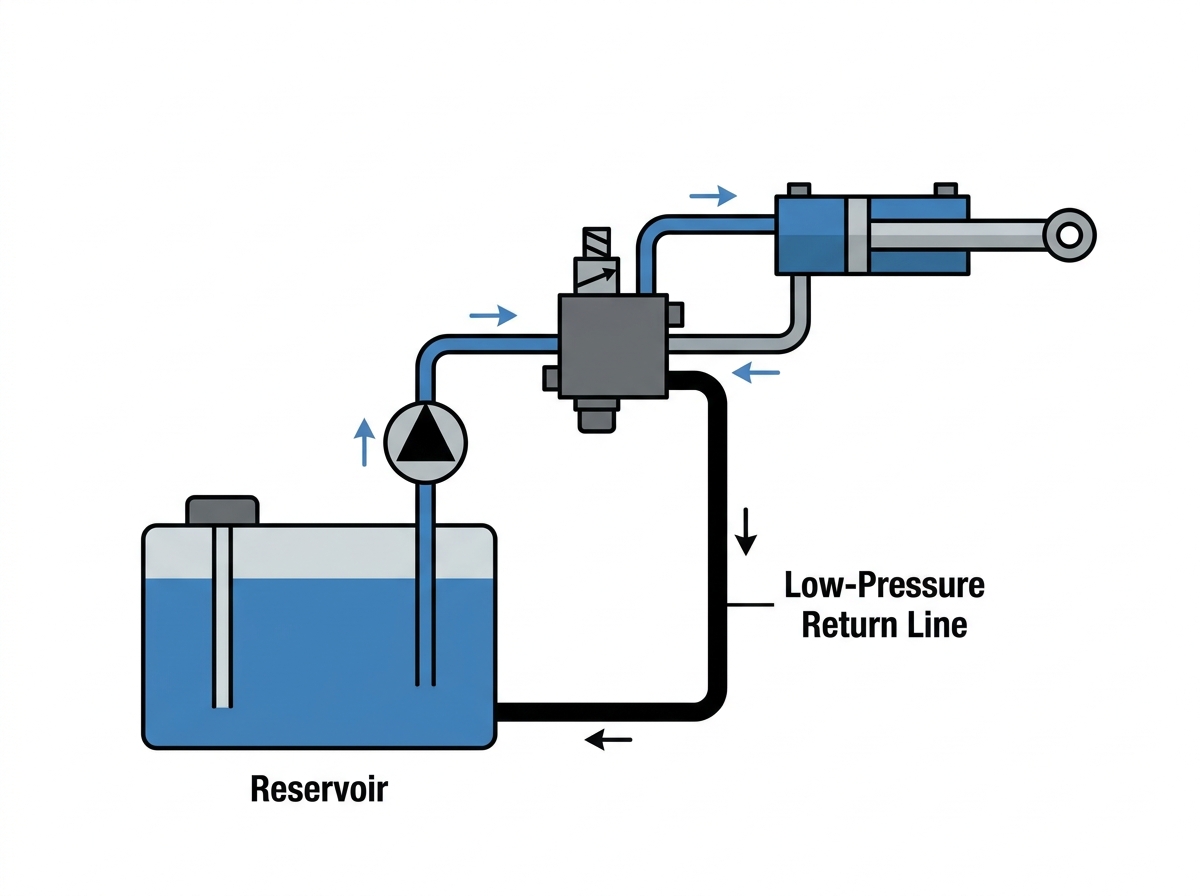
The design of the Honestflex SAE 100R6 makes it highly versatile across numerous industries. It is primarily suitable for low-pressure hydraulic circuits, including return lines, pilot lines, lubrication lines, and drain lines. In the realm of construction machinery, it is frequently used in excavators, loaders, forklifts, and aerial lifts. Agricultural operations rely on it for machinery like tractors, harvesters, and sprayers. Industrial facilities utilize this hose in equipment including machine tools, injection molding machines, and hydraulic presses. Additionally, it is suitable for automotive applications like truck hydraulic systems and dump truck lifting lines.
Fluid compatibility is a strong point for this product. It is fully compatible with petroleum-based hydraulic oils, water-glycol fluids, lubricants, diesel, water, and compressed air. This broad compatibility ensures that the hose can be deployed in a wide variety of systems without the risk of chemical degradation. It is also fully compatible with JIC, NPT, BSP, and ORFS fittings for custom assemblies, ensuring secure and leak-free connections.
Quality and compliance are verified through numerous industry certifications. The Honestflex SAE 100R6 is manufactured to strict SAE 100R6 and EN 854 R6 standards. Furthermore, it is MSHA approved for mining and harsh environments, DIN certified, and produced under ISO 9001 certified quality management systems. When shipped, the product is securely packaged in a woven bag with plastic film, with carton packaging available as an optional choice to suit customer preferences.
While highly capable within its designed parameters, it is important to note the limitations of this product. It is designed exclusively for low-pressure delivery and return lines. Consequently, it is not suitable for suction applications, where negative pressure could cause the flexible textile-braided walls to collapse. Understanding these specific conditions ensures that the hose is applied correctly, maximizing its service life and maintaining system safety.
The Honestflex SAE 100R6 offers a highly reliable, flexible, and certified solution for low-pressure fluid transfer needs across construction, agricultural, industrial, and automotive sectors. With its durable NBR inner tube, high-tensile textile braid, and weather-resistant outer cover, it provides exceptional value and longevity for systems requiring dependable return, pilot, or lubrication lines operating up to 508 PSI. Backed by rigorous 100% pressure testing and comprehensive certifications including MSHA, DIN, and ISO 9001, this hose is perfectly suited for maintenance professionals and equipment manufacturers seeking a safe, versatile, and high-quality component for their essential low-pressure hydraulic circuits.
