


T: +86-19511798062
E: sales@honestflex.com
E: sales@honestflex.com
Licang District, Qingdao, Shandong, China
Views: 0 Author: Site Editor Publish Time: 2026-06-29 Origin: Site


In the complex and demanding world of industrial fluid transfer, the integrity of your system relies heavily on the quality and reliability of its connections. Selecting the appropriate components is critical for maintaining operational efficiency, ensuring workplace safety, and preventing costly downtime. Among the most vital components in these systems are Hydraulic Hose Fittings, which serve as the critical junctions that guide, control, and secure the flow of liquids and gases under varying pressures. Whether you are managing a high-pressure hydraulic system in heavy machinery or a low-pressure fluid transfer operation in a chemical processing plant, understanding the nuances of these connections is paramount. This comprehensive guide explores the various types, specifications, and applications of these essential components, with a particular focus on the versatile and robust Honestflex Hose Couplings, which are designed to meet the rigorous demands of modern industry.
Industrial fluid transfer systems rely on robust and precisely engineered fittings to ensure secure and leak-free operations.
The landscape of industrial fluid dynamics is vast, encompassing a wide array of applications ranging from agriculture and manufacturing to oil and gas exploration. In each of these sectors, the safe and efficient movement of fluids is a foundational requirement. The role of the connection points in these systems cannot be overstated. A single point of failure can lead to catastrophic leaks, environmental hazards, and significant financial losses. Therefore, engineers and maintenance professionals must possess a deep understanding of the materials, pressure ratings, thread standards, and installation procedures associated with their chosen fittings. By carefully evaluating the specific requirements of their applications—such as the type of fluid being transferred, the operating temperature, and the required pressure—professionals can select the optimal components to ensure long-lasting performance and reliability.
The development of industrial connections has evolved significantly over the decades, transitioning from rudimentary threaded pipes to highly engineered, quick-disconnect systems designed for maximum efficiency and safety. Today, Hydraulic Hose Fittings represent a pinnacle of this evolution, offering a diverse range of solutions tailored to specific industrial challenges. The primary function of these fittings is to create a secure, leak-proof seal between a hose and a machine, or between two hoses, facilitating the uninterrupted flow of fluids. The design and construction of these fittings must account for a multitude of variables, including vibration, thermal expansion, chemical compatibility, and mechanical stress.
One of the most significant advancements in this field is the widespread adoption of camlock mechanisms. Honestflex Hose Couplings, for instance, prominently feature a threadless design that revolutionizes the way connections are made in the field. This threadless design requires no tools for connection, drastically reducing installation time and minimizing the physical strain on operators. In environments where hoses must be frequently connected and disconnected, such as in chemical processing or bulk fluid transportation, the time saved by utilizing camlock couplings translates directly into increased productivity and reduced labor costs.
The advantages of threadless designs extend far beyond mere convenience. In harsh industrial environments, traditional threaded fittings are highly susceptible to damage from dirt, debris, and cross-threading. A single grain of sand or a minor impact can render a threaded connection useless, leading to frustrating delays and potential safety hazards. The threadless design of camlock couplings makes them inherently less susceptible to dirt or damage in these unforgiving environments. Because there are no delicate threads to align or protect, these couplings can withstand rough handling and exposure to particulate matter without compromising their sealing capabilities.
Furthermore, the versatility of these systems is evident in the various methods by which they can be attached to hoses. Depending on the specific application and the type of hose being used, couplings can be attached using methods including crimping, clamping, banding, push-on fittings, and reusable threaded fittings. This flexibility allows engineers to standardize their connection points across a facility while utilizing the most appropriate attachment method for each specific hose assembly. Crimping, for example, provides a permanent, highly secure attachment ideal for high-pressure applications, while clamping and banding offer reliable solutions for lower-pressure systems or field repairs.
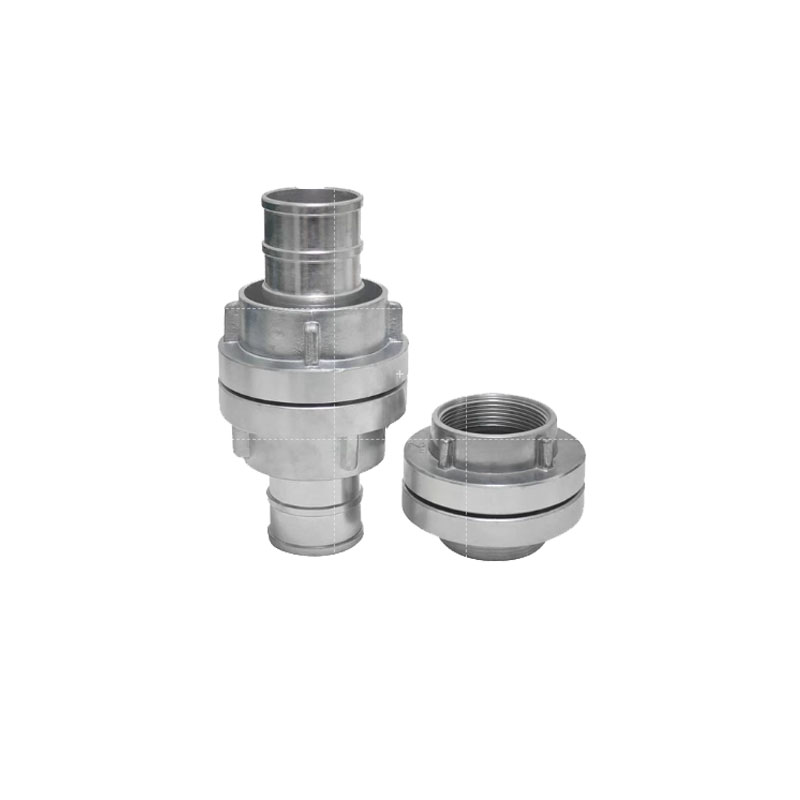
The material composition of a fitting dictates its suitability for specific environments, temperatures, and fluids. Honestflex Hose Couplings are manufactured from an extensive array of materials to ensure compatibility with virtually any industrial application. Available materials include Brass, Carbon Steel, Stainless Steel (201, 304, 316), Aluminum, Polypropylene (PP), Nylon, PVC, Plastic, and Tin. Each of these materials possesses unique physical and chemical properties that must be carefully considered during the selection process.
Brass is renowned for its excellent machinability and resistance to corrosion, making it a popular choice for water, air, and general-purpose fluid transfer. Carbon Steel offers exceptional strength and durability, making it ideal for high-pressure hydraulic applications where mechanical stress is a primary concern. However, for environments requiring the highest level of corrosion resistance and hygiene, Stainless Steel is the premier choice. The availability of different grades, such as 201, 304, and 316, allows users to balance cost with performance. Stainless steel 316, in particular, is highly recommended for aggressive chemicals and marine environments due to its superior resistance to pitting and crevice corrosion.
For applications where weight reduction and chemical resistance are paramount, non-metallic materials such as Polypropylene (PP), Nylon, PVC, and Plastic offer compelling advantages. Polypropylene is widely used in the agricultural and chemical sectors due to its excellent resistance to a broad spectrum of acids and bases. It is important to note, however, that Polypropylene camlock coupling body sizes may vary slightly by manufacturer, which must be accounted for when integrating components from different sources. Aluminum provides a lightweight yet durable alternative for applications such as water transfer and petroleum distribution, where ease of handling is critical.
Operating temperature is a critical factor in the selection of fluid transfer components. Extreme temperatures can alter the physical properties of both the fitting material and the sealing gasket, potentially leading to leaks or catastrophic failure. The verified temperature ranges for these components demonstrate their adaptability to diverse environments. Brass and steel couplings have a robust working temperature range of -30°C to +200°C (-22°F to +392°F). This wide thermal operating window ensures reliable performance in both freezing outdoor conditions and high-heat industrial processes, such as steam cleaning or hot oil transfer.
Conversely, non-metallic materials have different thermal limitations. Polypropylene couplings have a working temperature range of -10°C to +80°C (14°F to +176°F). While narrower than their metallic counterparts, this range is perfectly suited for a vast majority of agricultural, chemical, and water transfer applications. Understanding these temperature limits is essential, as exceeding the maximum rated temperature can cause plastic components to soften and deform, while dropping below the minimum temperature can render them brittle and susceptible to cracking under impact.
The ability to safely contain and direct pressurized fluids is the fundamental purpose of any industrial connection. Pressure ratings and temperature ranges depend strictly on the specific coupling type, material, and size. Therefore, a meticulous evaluation of the system's maximum operating pressure, including potential pressure spikes or surges, is mandatory. Honestflex Hose Couplings offer a broad spectrum of pressure capabilities to accommodate various system requirements.
Camlock pressure ratings range from 10 bar to 25 bar, making them highly effective for low to medium-pressure applications such as bulk fluid transfer, irrigation, and chemical delivery. For systems requiring higher pressure containment, threaded fittings have pressure ratings up to 70 bar or higher. In the most demanding applications, such as heavy machinery and industrial hydraulic power units, specialized hydraulic couplings have pressure ratings up to 400 bar. This immense pressure capability ensures that even the most powerful hydraulic systems operate safely and efficiently without risk of connection failure.
Sizing is equally critical to system performance. Camlock sizes range from 1/2" to 8", providing solutions for everything from small pneumatic lines to massive high-volume fluid transfer hoses. When determining the appropriate size for a replacement or new installation, it is crucial to measure accurately. Operators must determine camlock size by measuring the outside diameter of the adapter or the inside diameter of the coupler. Proper sizing ensures a secure fit, optimal flow rates, and the prevention of turbulent flow, which can cause excessive wear and energy loss within the system.
In the globalized industrial landscape, compatibility between components manufactured in different regions is a common challenge. To address this, Honestflex Hose Couplings support a comprehensive range of international thread standards. Supported thread standards include NPT (National Pipe Taper), BSP (British Standard Pipe), JIC (Joint Industry Council), Metric, and GHT (Garden Hose Thread). NPT is prevalent in North America and relies on a tapered thread design to create a seal, often requiring the use of thread sealant or tape. BSP is widely used in Europe and Asia, available in both tapered (BSPT) and parallel (BSPP) configurations. JIC fittings utilize a 37-degree flare seating surface to create a highly reliable metal-to-metal seal, which is standard in many high-pressure hydraulic applications. The inclusion of Metric and GHT standards further ensures that these couplings can be seamlessly integrated into almost any existing system worldwide.
The integrity of a threadless connection relies entirely on the quality and chemical compatibility of its sealing gasket. The gasket is the barrier that prevents fluid from escaping the system and prevents external contaminants from entering. Honestflex Hose Couplings offer a variety of gasket material options to ensure a perfect seal across a wide range of fluids and temperatures. Gasket material options include Nitrile (NBR), Viton (FKM), EPDM, and PTFE.
Nitrile (NBR) is the standard gasket material for many general-purpose applications, offering excellent resistance to oils, fuels, and water. Viton (FKM) provides superior high-temperature performance and exceptional resistance to a broad spectrum of aggressive chemicals, making it the preferred choice for demanding chemical processing environments. EPDM is highly resistant to weathering, ozone, and steam, making it ideal for outdoor applications and agricultural use. PTFE (Polytetrafluoroethylene) offers the ultimate in chemical resistance, capable of withstanding almost any industrial chemical, though it is often used as an envelope over a more resilient core material to maintain proper sealing compression.
To provide maximum flexibility in system design, camlock couplings are manufactured in a standardized set of configurations. Standard camlock types include Type A, B, C, D, E, F, DC (Dust Cap), and DP (Dust Plug).
Type A: Male adapter with a female thread.
Type B: Female coupler with a male thread.
Type C: Female coupler with a hose shank for attachment to a hose.
Type D: Female coupler with a female thread.
Type E: Male adapter with a hose shank.
Type F: Male adapter with a male thread.
Type DC: Dust Cap used to seal a male adapter when not in use.
Type DP: Dust Plug used to seal a female coupler when not in use.
This standardized nomenclature allows engineers and procurement professionals to easily identify and specify the exact components needed for their fluid transfer systems, ensuring seamless integration and operational efficiency.
The versatility of Honestflex Hose Couplings makes them indispensable across a wide array of industries. Their primary verified use case is connecting and disconnecting hoses or pipes in fluid transfer systems. They excel in applications requiring frequent hose changes, where the speed and ease of the threadless camlock design significantly reduce downtime. These couplings are heavily utilized for fluid transfer in manufacturing, agriculture, oil & gas, chemical processing, and transportation.
In the agricultural sector, they are used for irrigation systems, fertilizer application, and liquid storage transfers. The manufacturing industry relies on them for cooling water lines, pneumatic systems, and chemical delivery. The oil and gas industry utilizes robust steel and brass couplings for the safe handling of fuels and lubricants. In chemical processing, the availability of stainless steel 316 and polypropylene, combined with specialized gaskets like Viton or PTFE, ensures the safe handling of aggressive and hazardous chemicals.
Compatibility with various hose types is also a key feature. These couplings are compatible with rubber, PVC, hydraulic, silicone, and composite hoses, provided the inner diameter and connection type match. This broad compatibility allows facilities to use a single type of coupling system across multiple applications, simplifying inventory management and maintenance procedures. Furthermore, they are verified to be compatible with water, air, oil, chemicals, and fuels, ensuring that whatever medium your system requires, there is a coupling configuration designed to handle it safely and efficiently.
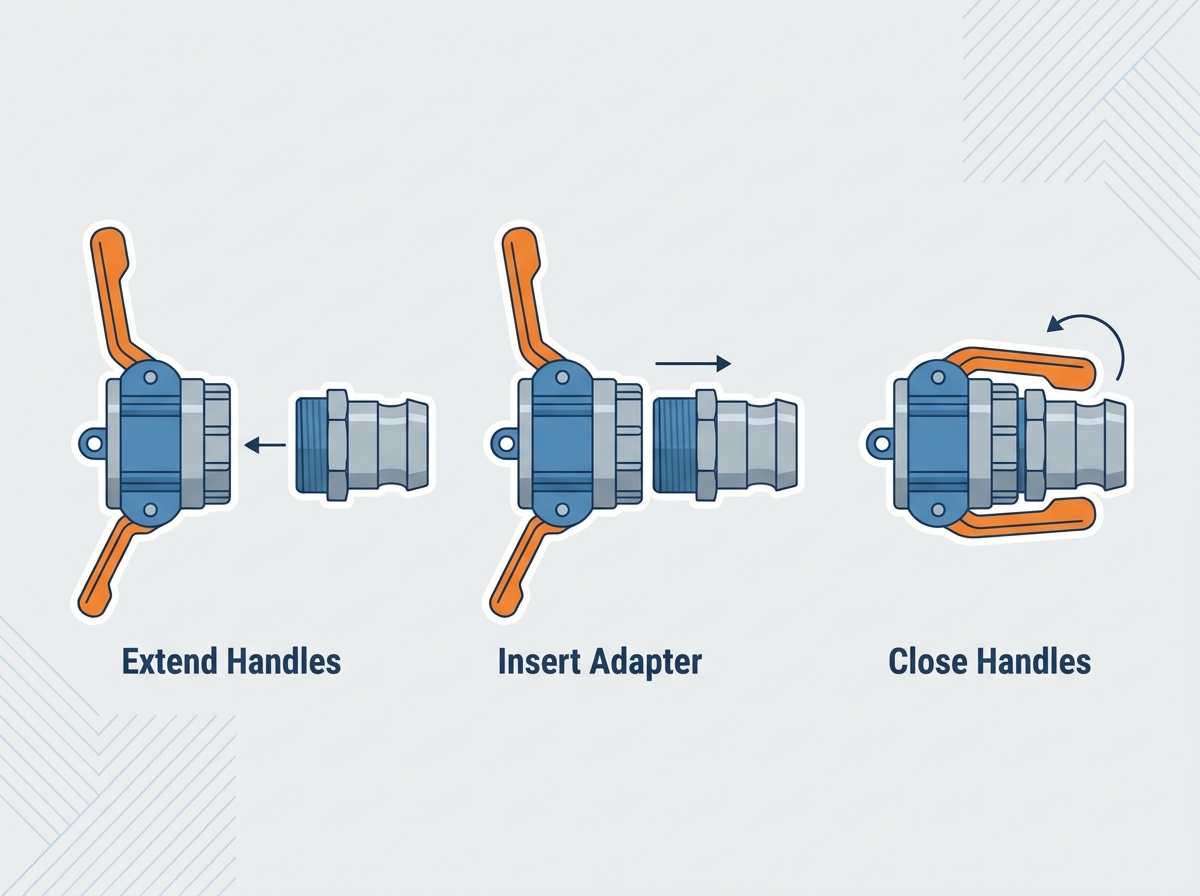
Proper installation and maintenance are critical for ensuring the longevity and safety of any fluid transfer system. The threadless design of camlock couplings simplifies the connection process, but adherence to proper procedures is still mandatory. To connect a camlock coupling, operators must extend the coupler handles, insert the male adapter fully into the female coupler, and close both handles simultaneously. This action compresses the gasket, creating a secure, leak-proof seal. It is crucial that both handles are closed completely to ensure even pressure on the gasket and to prevent accidental disconnection.
Safety must always be the primary concern when working with pressurized systems. Operators must ensure the system is depressurized before disconnecting any fitting. Attempting to open a camlock coupling while the line is under pressure can result in a dangerous release of fluid and potential injury to the operator. For threaded connections, proper sealing techniques are required. Installers must use thread sealant or tape for threaded connections and tighten to recommended torque specifications to prevent galling and ensure a leak-free seal.
In industrial environments, compliance with recognized engineering standards is a non-negotiable requirement. These standards ensure that components are manufactured to strict tolerances and will perform reliably under specified conditions. Honestflex Hose Couplings are manufactured to meet rigorous international standards. Camlock couplings typically conform to MIL-C-27487 or EN 14420-7 standards. The MIL-C-27487 standard, originally developed by the US military, dictates the dimensions, tolerances, pressure ratings, and testing procedures for cam and groove couplings, ensuring interchangeability between different manufacturers. The EN 14420-7 standard is the European equivalent, providing similar assurances of quality and compatibility.
Beyond camlocks, the broader range of couplings are manufactured to meet relevant ISO, DIN, SAE, and ASTM specifications depending on the type. ISO and DIN standards ensure global compatibility and strict manufacturing tolerances. SAE (Society of Automotive Engineers) standards are critical for hydraulic applications, dictating the performance requirements for high-pressure fittings. ASTM standards govern the material properties, ensuring that the metals and plastics used in the manufacturing process meet the required specifications for strength, durability, and chemical resistance.
Honestflex Hose Couplings provide a highly reliable, versatile, and efficient solution for modern industrial fluid transfer systems. By offering a threadless design that requires no tools and resists environmental damage, alongside a massive selection of materials ranging from Stainless Steel 316 to Polypropylene, these components are perfectly suited for demanding applications across manufacturing, agriculture, and chemical processing. With comprehensive support for global thread standards, pressure capabilities up to 400 bar for hydraulic variants, and adherence to strict MIL-C-27487 and EN standards, they deliver the practical value of reduced installation time, enhanced safety, and long-lasting durability for professionals managing complex fluid dynamics.
