


T: +86-19511798062
E: sales@honestflex.com
E: sales@honestflex.com
Licang District, Qingdao, Shandong, China
Views: 0 Author: Site Editor Publish Time: 2025-10-31 Origin: Site


Hydraulic systems power our world, but not all hoses are created equal. What makes the 4SH Hydraulic Hose a standout choice? This article explores the DIN EN 856 4SH Hydraulic Hose, highlighting its robust features and critical role in high-pressure applications. You'll learn about its structure, advantages, and when to use it in demanding environments.
When choosing a high-pressure hydraulic hose, understanding its structure is vital. The 4SH hydraulic hose—often referred to as EN 856 4SH—is engineered to withstand extreme pressures in demanding industrial settings. Its robust construction ensures reliable performance and safety in hydraulic systems.
At the core, the 4SH hydraulic hose features an inner tube made from black synthetic rubber. This material is specially formulated to resist abrasion, corrosion, and oil degradation. It ensures compatibility with petroleum-based hydraulic fluids and some biodegradable fluids, maintaining integrity between -40°C and +100°C. This inner tube acts as the primary barrier, preventing fluid leakage and protecting the reinforcement layers.
The standout feature of the 4SH hose is its reinforcement: four layers of high-tensile steel wire spirals. These spiraled steel wires are tightly wound, providing exceptional strength to resist internal pressures that can reach up to 42 MPa (about 6090 PSI). This multi-spiral design also offers superior resistance to pulse fatigue, making the hose ideal for systems with frequent pressure fluctuations.
Compared to other hydraulic hose types, such as 4SP hoses with braided reinforcement, the spiral layers in 4SH hoses provide enhanced pressure resistance and durability. This structure supports heavy-duty applications in industries like oil and gas, mining, and construction machinery.
Surrounding the reinforcement is a high-quality synthetic rubber cover. This outer layer is engineered to resist abrasion, weathering, ozone, oil, and aging. Its durability protects the hose from external damage, extending service life even in harsh environments. The cover's black color and cloth impression surface are typical, aiding in identification and handling.
| Component | Material | Function |
|---|---|---|
| Inner Tube | Black synthetic rubber | Fluid containment; abrasion and oil resistance |
| Reinforcement | Four layers of steel wire spirals | High-pressure resistance and pulse durability |
| Outer Cover | Synthetic rubber (abrasion-resistant) | Protection against environmental damage |
This layered construction aligns with hydraulic hose specifications under EN 856 4SH standards, ensuring compliance and performance consistency. The hose’s design balances strength and flexibility, though it is less flexible than lower-pressure hoses due to its robust reinforcement.
4SH hydraulic hoses are available in sizes ranging from 3/4" to 2" inner diameter, with corresponding working pressures from 25 to 42 MPa, depending on the size. The minimum bend radius varies accordingly, which should be considered during installation.
Note: When installing 4SH hydraulic hoses, using compatible fittings and performing the “skiving” operation on the hose end improves sealing and prevents leaks, ensuring system reliability.

The 4SH hydraulic hose is a powerhouse in the world of high-pressure hydraulic hose applications. Its robust design and high-pressure resistance make it the go-to choice for industries where reliability and durability are non-negotiable. Let’s explore where this heavy-duty hose shines the most.
In the oil and gas sector, equipment operates under extreme pressures and harsh environmental conditions. The EN 856 4SH hydraulic hose is widely used in drilling rigs, extraction machinery, and hydraulic fracturing systems. Its ability to handle pressures up to 42 MPa (about 6090 PSI) ensures safe and efficient fluid transfer. The hose's resistance to abrasion, corrosion, and oil degradation is crucial for the demanding nature of this industry.
Mining operations require hoses that can withstand constant mechanical stress and high-pressure hydraulic systems. The 4SH hose pressure rating and its multi-layer steel wire spiral reinforcement provide the strength needed for loaders, excavators, and crushers. Its durability in abrasive and dusty environments reduces downtime and maintenance costs, making it an essential component in mining hydraulic systems.
Heavy construction machinery such as cranes, bulldozers, and concrete mixers rely on hydraulic hoses that can manage high-pressure fluid power. The 4SH hydraulic hose fits perfectly here, offering excellent pressure resistance and longevity. Its sturdy outer cover protects against weathering, UV exposure, and mechanical wear, which are common challenges on construction sites.
Offshore platforms and marine equipment operate in corrosive saltwater environments and face extreme weather conditions. The EN 856 4SH hose's synthetic rubber cover provides superior resistance to ozone, saltwater, and abrasion. Its high-pressure capabilities support hydraulic systems in cranes, winches, and drilling equipment, ensuring operational safety and efficiency in these challenging settings.
Across these industries, the 4SH hydraulic hose stands out for its:
Exceptional high-pressure tolerance
Resistance to harsh chemicals and environmental factors
Long service life in demanding applications
This makes it an indispensable part of industrial hydraulic hose solutions where safety and performance are paramount.
Tip: When selecting a 4SH hydraulic hose for industrial applications, always verify compatibility with the specific hydraulic fluids and environmental conditions to maximize hose lifespan and system safety.
The 4SH hydraulic hose stands out among hydraulic hose types due to its unique combination of strength, durability, and versatility. Designed for demanding industrial hydraulic systems, it offers several key advantages that make it the preferred choice for high-pressure applications.
One of the most notable features of the EN 856 4SH hydraulic hose is its exceptional pressure handling capability. Thanks to its four layers of high-tensile steel wire spiral reinforcement, the hose can reliably withstand working pressures up to 42 MPa (approximately 6090 PSI). This high-pressure rating ensures safety and performance in systems where fluid pressure fluctuates rapidly or reaches extreme levels.
The 4sh hose pressure rating also includes a high burst pressure, often exceeding 100 MPa, providing a significant safety margin. This makes it ideal for critical applications such as oil and gas extraction or heavy mining equipment, where failure is not an option.
Durability is a key hydraulic hose feature of the 4SH hose. Its synthetic rubber outer cover resists abrasion, weathering, ozone, oil, and aging. This protective layer shields the hose from external damage, extending its service life even in tough environments like offshore platforms or construction sites.
The hose’s structure also offers excellent resistance to pulse fatigue, which is common in hydraulic systems with frequent pressure surges. This durability reduces maintenance costs and downtime, making it a cost-effective solution for industrial hydraulic hose applications.
The inner tube of the 4SH hydraulic hose is made from black synthetic rubber, formulated to resist corrosion and degradation by petroleum-based hydraulic fluids. It also maintains compatibility with some biodegradable fluids, such as synthetic esters and vegetable oils, broadening its usability.
This versatility in fluid compatibility allows the EN 856 4SH hose to be used across multiple industries without concern for fluid-induced damage. Whether conveying mineral oil, fuel, water-glycol mixtures, or lubricants, it maintains integrity and performance.
Tip: When selecting a 4SH hydraulic hose, consider the specific fluid type and pressure conditions to ensure optimal compatibility and longevity in your hydraulic system.
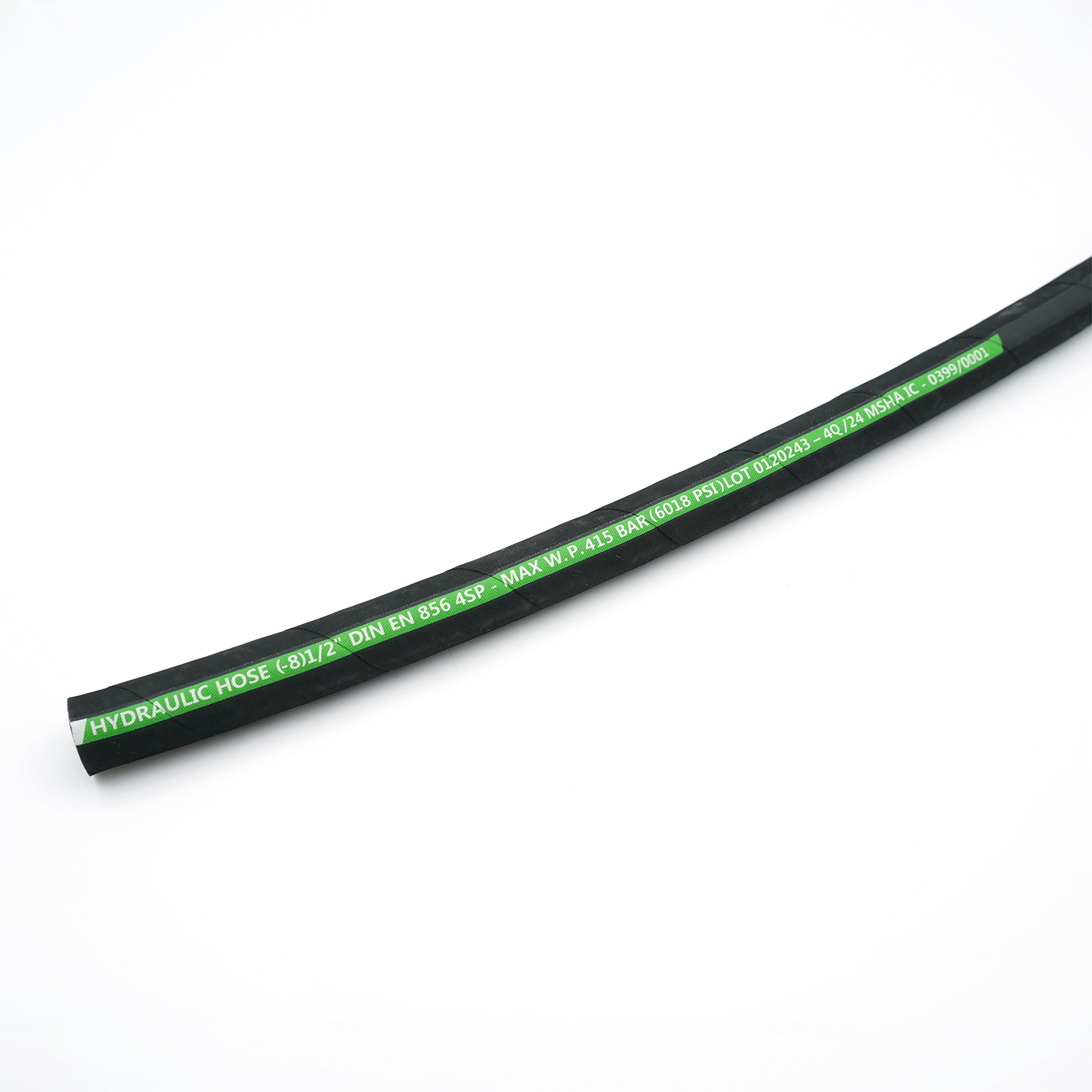
When selecting a high-pressure hydraulic hose, understanding the distinctions between 4SH and 4SP hydraulic hoses is essential. Both comply with the EN 856 hydraulic hose standards and share similar construction elements, but key differences impact their pressure ratings, flexibility, and typical applications.
Both hoses feature four layers of steel wire spiral reinforcement, but the 4SH hydraulic hose often uses heavier gauge or denser steel wire spirals. This results in:
4SP Hose: Four layers of high-tensile steel wire spirals, tightly wound to provide strength and flexibility.
4SH Hose: Four to six layers of thicker or more densely wound steel wire spirals, enhancing pressure resistance and durability.
This structural difference allows the 4SH hose to withstand more extreme pressures and pulse cycles compared to the 4SP hose.
The 4sh hose pressure rating generally ranges from 25 to 42 MPa (3625 to 6090 PSI), while the 4SP hose usually handles slightly lower pressures but can reach up to 45 MPa (6525 PSI) in some sizes. Burst pressures also vary accordingly:
| Hose Type | Working Pressure (MPa) | Burst Pressure (MPa) | Typical Applications |
|---|---|---|---|
| 4SP | 35 – 45 | 140 – 180 | Medium to high-pressure hydraulic systems, construction, agriculture |
| 4SH | 25 – 42 | 100 – 168 | Extreme high-pressure applications, mining, oil and gas, heavy machinery |
Despite the 4SP hose sometimes having a slightly higher working pressure in specific sizes, the 4SH hose’s thicker reinforcement offers superior durability and pulse resistance in demanding environments.
Flexibility is a crucial factor during hose installation:
4SP hoses are generally more flexible due to their construction, allowing easier routing in tight or complex spaces.
4SH hoses are less flexible because of their heavier reinforcement layers, resulting in a larger minimum bend radius.
This means 4SH hoses require more space for installation and careful handling to avoid kinking or damage.
| Feature | 4SP Hydraulic Hose | 4SH Hydraulic Hose |
|---|---|---|
| Reinforcement Layers | 4 layers steel wire spirals | 4 to 6 layers heavier gauge steel wire spirals |
| Working Pressure Range | 35 – 45 MPa | 25 – 42 MPa |
| Burst Pressure Range | 140 – 180 MPa | 100 – 168 MPa |
| Flexibility | Higher flexibility, smaller bend radius | Lower flexibility, larger bend radius |
| Typical Applications | Construction, agriculture, industrial machinery | Mining, oil & gas, heavy-duty construction |
| Cost | Generally more cost-effective | Higher cost due to robust construction |
Choosing between the two depends on your system’s pressure requirements, environmental conditions, and installation constraints.
Tip: When selecting between 4SP and 4SH hydraulic hoses, prioritize 4SH for ultra-high pressure and pulse resistance, but choose 4SP for better flexibility and easier installation in confined spaces.
Choosing the right hydraulic hose is crucial to system safety and efficiency. The 4SH hydraulic hose stands out in high-pressure hydraulic hose types, but when exactly should you opt for it? Let’s explore the key factors that help identify the best scenarios for using an EN 856 4SH hydraulic hose.
The 4SH hose pressure rating is one of its most defining features. These hoses typically handle working pressures from 25 MPa up to 42 MPa (3625 to 6090 PSI), with burst pressures reaching as high as 168 MPa (24360 PSI). If your hydraulic system operates under extreme pressure or experiences frequent pressure spikes, the 4SH hose is designed to withstand these conditions reliably.
Applications involving heavy machinery, drilling rigs, or mining equipment often demand hoses that can tolerate such high pressures. Using a hose rated below your system’s maximum pressure risks failure, leaks, or safety hazards. Therefore, if your system requires ultra-high pressure resistance, the 4SH hydraulic hose is a prime candidate.
The environment where the hose operates also influences your choice. The EN 856 4SH hydraulic hose features a durable synthetic rubber cover that resists abrasion, ozone, oil, weather, and aging. This makes it suitable for harsh conditions such as:
Offshore platforms exposed to saltwater and UV rays
Construction sites with heavy mechanical wear
Mining environments with dust and rough handling
Additionally, the hose’s temperature range from -40°C to +100°C (-40°F to +212°F) supports use in both cold and moderately hot climates. If your application involves aggressive fluids or exposure to chemicals, the 4SH hose’s synthetic rubber inner tube resists corrosion and degradation, ensuring longevity.
While the 4SH hose offers outstanding durability and pressure resistance, it often comes with a higher initial cost compared to other hydraulic hose types like 4SP hoses. However, its robust construction can reduce maintenance frequency and downtime in demanding applications, potentially lowering total lifecycle costs.
When deciding, weigh the upfront investment against expected hose lifespan and safety. For systems with severe pressure demands and harsh environments, choosing a 4SH hose can be more cost-effective over time due to fewer replacements and failures.
Tip: Always match the 4SH hydraulic hose pressure rating and environmental resistance to your system’s demands to ensure optimal performance and safety in high-pressure hydraulic applications.
The DIN EN 856 4SH hydraulic hose is engineered for high-pressure applications, offering exceptional durability and resistance to harsh conditions. With its robust construction, it is ideal for industries like oil and gas, mining, and construction. When selecting the right hose, consider system pressure requirements and environmental factors to ensure optimal performance and safety. Honest Rubber provides high-quality 4SH hoses that deliver reliability and longevity, making them a valuable investment for demanding industrial applications.
A: A 4SH Hydraulic Hose is a high-pressure hose designed for demanding industrial applications. It features four layers of high-tensile steel wire spirals, providing exceptional pressure resistance and durability, complying with EN 856 4SH standards.
A: Use a 4SH Hydraulic Hose when your hydraulic system requires handling extreme pressures up to 42 MPa, frequent pressure spikes, or operates in harsh environments like mining or offshore platforms.
A: 4SH hydraulic hoses offer higher pressure resistance and durability due to heavier gauge wire spirals, but are less flexible than 4SP hoses. They are ideal for ultra-high pressure applications, while 4SP hoses suit more flexible installation needs.
A: 4SH hydraulic hoses have specifications including a working pressure range of 25 to 42 MPa, burst pressures up to 168 MPa, and compatibility with petroleum-based and some biodegradable fluids, adhering to EN 856 4SH standards.
A: Industries such as oil and gas, mining, construction, and offshore operations commonly use EN 856 4SH hydraulic hoses due to their high-pressure tolerance, durability, and resistance to harsh environmental conditions.
