


T: +86-19511798062
E: sales@honestflex.com
E: sales@honestflex.com
Licang District, Qingdao, Shandong, China
Views: 0 Author: Site Editor Publish Time: 2026-10-21 Origin: Site


Tank truck hoses and fuel delivery hoses both transfer petroleum products, but they serve different operating needs. Choosing the right hose depends on the transfer method, fuel type, working pressure, and equipment connection.
A tank truck hose is commonly used for bulk fuel loading and unloading. It needs to handle hose movement and, when specified, both suction and discharge operations. A fuel delivery hose is used in fuel dispensing systems and other equipment that transfers fuel to vehicles or machinery.
Understanding the differences in hose construction, applications, and performance requirements helps buyers select a suitable product and reduce the risk of leakage or premature failure.
Table of Contents
A tank truck hose is an industrial rubber hose designed to transfer petroleum products between tank trucks, storage tanks, and fuel handling systems.
It is commonly used for loading and unloading gasoline, diesel, and other compatible petroleum products. Depending on its construction and rating, it can support both suction and discharge operations.
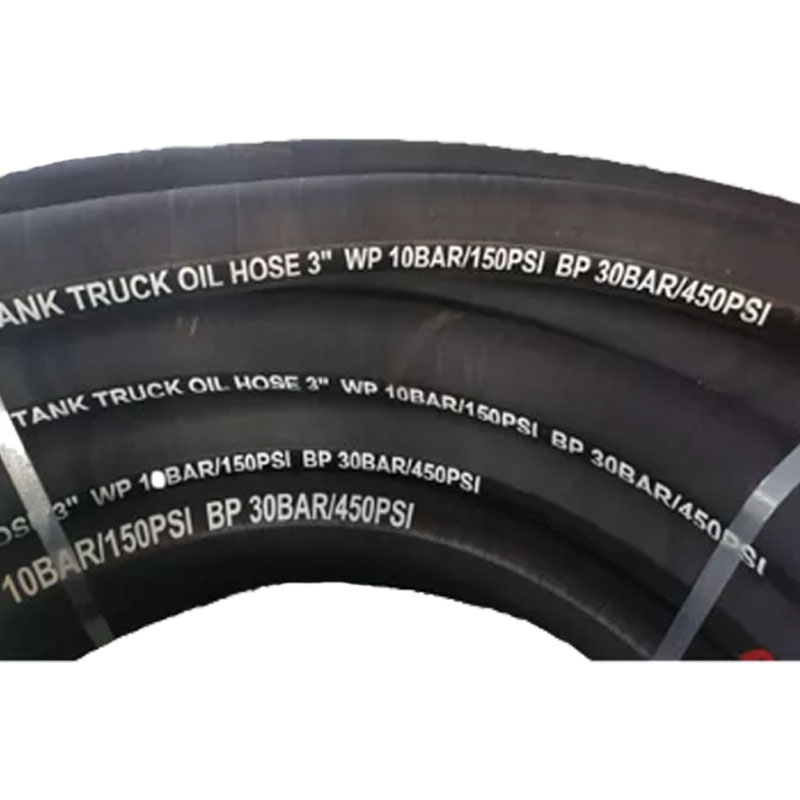
A typical tank truck hose includes three main components:
Inner tube: Oil-resistant rubber, such as NBR, helps protect the hose from compatible petroleum products.
Reinforcement: Textile fabric and a steel wire helix provide structural support. The wire helix helps the hose maintain its shape during suction.
Outer cover: Oil-, weather-, and abrasion-resistant rubber protects the hose during outdoor handling and operation.
For example, the Honestflex Tank Truck Oil Hose uses a smooth NBR inner tube, high-strength synthetic fabric, a steel wire helix, and an anti-static wire. Its cover is available in smooth or corrugated options.
This construction is designed for petroleum fuel suction and discharge during tank truck operations.
A fuel delivery hose is designed to transfer fuel through dispensing equipment, fuel supply systems, or other compatible delivery applications.
The exact construction depends on the hose type and its intended use. A fuel dispenser hose, for example, connects fuel dispensing equipment with the delivery nozzle in applications such as gas stations.
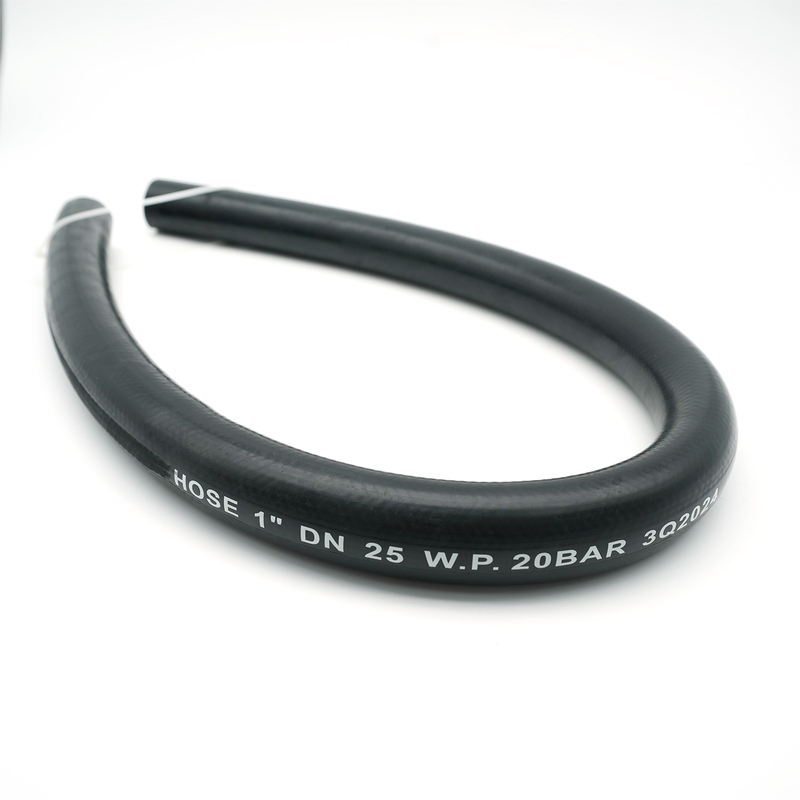
A typical fuel hose may include:
Inner tube: NBR rubber is commonly used in petroleum fuel applications because of its oil and fuel resistance.
Reinforcement: Textile yarn or wire reinforcement provides strength and supports the required working pressure.
Outer cover: Synthetic rubber protects the hose against external wear, oil exposure, and environmental conditions.
Honestflex offers different fuel hose options for different applications. Its Fuel Dispenser Hose uses an NBR inner tube and lists steel wire braid reinforcement. Its Smooth Cover Fuel Hose uses an NBR inner tube reinforced with high-strength synthetic yarn.
These products should not be treated as interchangeable. Buyers need to check the construction and ratings of the specific hose before installation.
The main differences relate to application, reinforcement, and operating requirements.
Comparison Factor | Tank Truck Hose | Fuel Delivery Hose |
|---|---|---|
Main Application | Bulk fuel loading and unloading | Fuel dispensing and delivery |
Typical Equipment | Tank trucks, storage tanks, transfer pumps | Fuel dispensers, nozzles, fuel supply equipment |
Inner Tube | Oil-resistant NBR rubber | Often NBR rubber for petroleum fuel applications |
Reinforcement | Textile fabric and steel wire helix | Textile yarn or wire reinforcement, depending on type |
Suction Capability | Designed for suction and discharge when properly rated | Depends on the specific hose design |
Main Design Focus | Structural support during bulk transfer and suction | Compatibility with dispensing equipment and delivery conditions |
Selection Priorities | Vacuum rating, fuel compatibility, diameter, and connections | Working pressure, fuel compatibility, diameter, and connections |
The most important distinction is suction capability. A tank truck hose with a suitable wire helix can support negative-pressure operation. A standard fuel delivery hose should not be used for suction unless its manufacturer confirms that it is designed and rated for that service.
Tank truck hoses are used where petroleum products need to move between vehicles and storage systems.
Common applications include:
Loading fuel into tank trucks.
Unloading gasoline and diesel into storage tanks.
Transferring petroleum products at fuel terminals and depots.
Connecting tank trucks to compatible pumps and transfer equipment.
These operations may involve long hose runs, frequent connection and disconnection, and suction conditions. The hose must therefore match the transfer system and its operating requirements.
Fuel delivery hoses are used in systems that supply fuel to vehicles, machinery, or other equipment.
Typical applications include:
Connecting fuel dispensers to refueling nozzles.
Delivering gasoline and diesel at service stations.
Transferring fuel through compatible industrial equipment.
Supplying petroleum products in automotive and agricultural applications.
Different fuel delivery hoses serve different equipment. A hose designed for a fuel dispenser may have different reinforcement and connection requirements from a general-purpose fuel transfer hose.
Both hose types may use NBR rubber inner tubes for petroleum fuel applications. However, material selection alone does not confirm compatibility with every fuel.
Fuel composition, aromatic content, additives, operating temperature, and exposure time can affect hose performance.
For example, Honestflex lists its Tank Truck Oil Hose and Smooth Cover Fuel Hose for compatible petroleum products with aromatic content up to 50%. Buyers should confirm compatibility when handling alternative fuels, special fuel blends, or products with different chemical compositions.
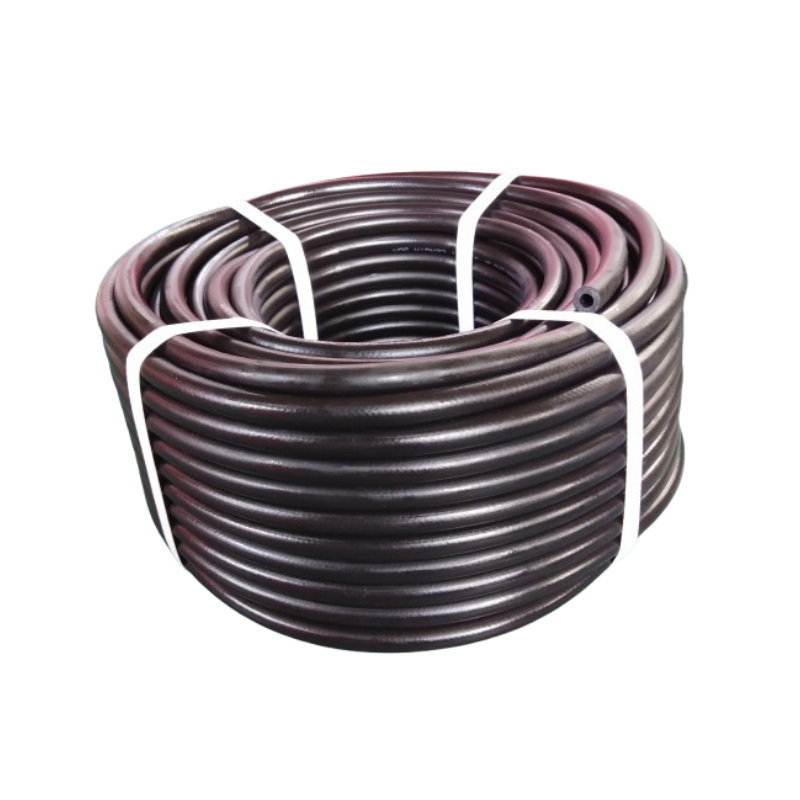
Tank truck hoses often use textile reinforcement combined with a steel wire helix. This construction supports the hose during both positive-pressure discharge and negative-pressure suction, provided the hose is rated for the required conditions.
Fuel delivery hoses use reinforcement suited to their intended dispensing or transfer application. Depending on the model, this may include textile yarn or steel wire reinforcement.
Do not compare hoses by working pressure alone. A hose may have a suitable pressure rating but still be unsuitable for vacuum service. Always check the manufacturer's pressure and vacuum specifications.
Hose flexibility affects installation, connection, and daily handling.
Tank truck hoses need to accommodate movement around trucks, pumps, and storage connections. Some models offer corrugated outer covers for different handling requirements.
Fuel delivery hoses must also provide suitable flexibility for the dispensing equipment and installation layout. However, the required flexibility depends on the hose type and equipment design.
Avoid sharp bends, twisting, and excessive tension. These conditions can damage the hose or place unnecessary stress on its connections.
The right choice starts with the actual operating conditions, not just the product name.
Determine whether the system uses suction, discharge, or both.
If the hose must handle suction, select a model specifically designed and rated for negative pressure. Do not assume that every fuel delivery hose can handle vacuum service.
Identify the exact fuel or petroleum product being transferred.
Check the hose manufacturer's compatibility information for gasoline, diesel, lubricants, biodiesel blends, or other fuels. Do not assume that a hose suitable for standard petroleum products is automatically suitable for every alternative fuel.
Confirm the maximum operating pressure and, where applicable, the allowable vacuum level.
The hose rating must match the actual system conditions. Also check the pressure rating of the assembled hose and its end connections.
The hose diameter affects flow capacity and pressure loss. The required diameter depends on the pump, flow rate, transfer distance, and connection size.
Choose a length that provides enough reach without creating excessive bends or unnecessary handling difficulty.
Confirm that the hose fits the equipment and connection type.
For flammable fuel transfer, also verify electrical continuity, bonding, and grounding requirements for the complete hose assembly and operating system.
Evaluate exposure to sunlight, weather, abrasion, temperature changes, and mechanical impact.
Choose an outer cover and hose construction suitable for the installation environment. Regular inspection is also important for identifying damage before it causes a leak.
Correct maintenance helps reduce damage and supports safe fuel transfer.
Inspect the hose before use. Check for cracks, bulges, leaks, exposed reinforcement, deformation, and damaged connections.
Avoid sharp bends and twisting. Keep the hose within its specified minimum bend radius and prevent unnecessary tension at the fittings.
Prevent abrasion and crushing. Do not drag hoses over sharp surfaces or allow vehicles and heavy equipment to run over them.
Store hoses correctly. Follow the manufacturer's storage recommendations. Keep hoses away from damaging heat sources, direct sunlight where applicable, and incompatible chemicals.
Check fittings and electrical continuity. Inspect connections and verify that any required bonding or electrical continuity measures remain effective.
Replace damaged hoses. Do not continue using a hose that shows signs of structural damage or leakage. Follow the manufacturer's inspection and replacement guidance.
Tank truck hoses and fuel delivery hoses serve different fuel transfer requirements.
A tank truck hose is generally the better choice for bulk petroleum loading and unloading, especially when the system requires suction and discharge capability. A fuel delivery hose is more suitable for compatible dispensing equipment and fuel supply applications.
The final choice should depend on fuel compatibility, working pressure, vacuum requirements, hose diameter, length, and connection type. Checking these specifications before purchasing helps reduce operating risks and avoid unsuitable hose assemblies.
Honestflex supplies tank truck oil hoses, fuel dispenser hoses, and smooth cover fuel hoses for different petroleum transfer applications. Contact the team to discuss your fuel type, operating conditions, and required hose specifications.
A tank truck hose is designed for bulk fuel loading and unloading and may support both suction and discharge. A fuel delivery hose is used in dispensing or fuel supply systems. The exact capabilities depend on the individual hose design and rating.
Not automatically. Tank truck unloading may involve suction or vacuum conditions. Only use a fuel delivery hose if its manufacturer confirms that it is suitable for the required suction, pressure, and fuel conditions.
NBR rubber is commonly used in petroleum fuel hoses because of its resistance to oils and compatible fuels. However, the exact fuel formulation and operating conditions must be checked before use.
A steel wire helix helps the hose maintain its shape during suction and reduces the risk of collapse under negative pressure. The hose must still have a confirmed vacuum rating for the intended application.
Confirm the fuel type, transfer method, working pressure, vacuum requirements, hose diameter, length, temperature range, and end connections. Also check any electrical continuity or bonding requirements for the application.
